North Dakota coalition readies ballot campaign for universal school meals

Click play to listen to this article.
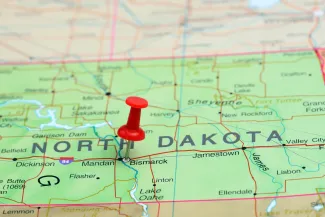
A North Dakota coalition hopes to soon gather signatures for a citizen-led ballot initiative, where free school meals for all K-12 students would be up for consideration. Organizers say universal lunches are the right way to improve the state's educational fortunes.
The Together for School Meals campaign last week submitted paperwork to the North Dakota Secretary of State to get the ball rolling on the proposed constitutional amendment.
If adopted, every student, regardless of their family's income, would have access to one no-cost breakfast and lunch every school day. Sponsoring Committee Chair with the coalition, Robin Nelson, said there's a body of research that illustrates the benefits of this approach.
"We know that when kids have a healthy breakfast and lunch," said Nelson, "they perform better academically, behavior issues decline and our attendance rates increase."
One example is a 2021 study from the Brookings Institution, which links schoolwide free meals to improved math performance.
Nine other states, including Minnesota, have adopted these programs, with supporters noting there are many food insecure students who don't qualify for free or reduced-price lunches.
While it has expanded eligibility, the North Dakota Legislature so far has voted down proposed bills on the universal model, with opponents citing cost concerns.
Organizers says the coalition consists of parents, teachers, farmers, and advocates, along with organizations such as the union North Dakota United.
Statewide polling has consistently shown that voters like the idea of a free school meal program that covers all students.
Nelson said any extra costs would be worth it in the long run when trying to envision a stronger workforce.
"We can invest now," said Nelson, "or we can pay for it later."
Nelson, who is also the CEO of the Boys & Girls Club of the Red River Valley, says the coalition worked to ensure ballot language was carefully crafted, so that residents are clear on what's being proposed.
That is seen as a crucial way to avoid any potential legal setbacks, if the ballot initiative is challenged.
If the Secretary of State signs off on the paperwork, more than 31,000 signatures would be needed to place the measure on the 2026 ballot.