EarthTalk - Are some forests starting to release more CO2 into the atmosphere than they are absorbing?

©
Dear EarthTalk:
Are some forests starting to release more CO2 into the atmosphere than they are absorbing due to so many dying trees from pest infestation and wildfire?
F.M., New York, NY
Forests are vital carbon sinks: They absorb more carbon dioxide (CO2) than they emit, playing a crucial role in regulating the climate. Through photosynthesis, trees pull CO2 from the atmosphere and store it in their trunks, branches, leaves and roots. This helps slow climate change by reducing greenhouse gases. But a concerning trend has emerged: Some forests now release more CO2 than they absorb, shifting from carbon sinks to sources. This is being driven by pest infestations, wildfires, and climate change.
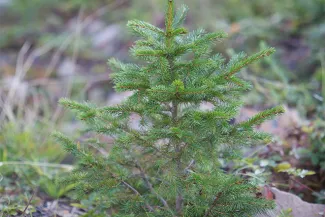
Red spruce tree.
Forests naturally fluctuate between absorbing and releasing CO2, but long-term trends matter. "It's natural for forests to cycle through times where they are carbon sinks and then carbon sources,” says Tony Vorster, a research scientist at the Natural Resource Ecology Laboratory. Rising temperatures exacerbate stressors like pest outbreaks and drought. When trees reach critical temperature thresholds, they release more CO2 than they absorb, increasing warming in a dangerous feedback loop.
Pests and pathogens also pose threats. Infestations and diseases kill trees, reducing CO2 storage. Invasive species worsen the problem, increasing tree vulnerability. “Climate change often makes trees even more susceptible to damage from insects and disease,” says Leigh Greenwood, Director of The Nature Conservancy’s Forest Pests and Pathogens program. Wildfires also drive forest carbon loss. Severe fires release stored carbon, kill mature trees and limit future carbon sequestration. In some cases, forests transition to shrublands with lower carbon storage. Increased wildfire frequency, fueled by climate change and dry conditions, creates a feedback loop: More fires release more CO2, further warming the planet.
Effective forest management helps. Treatments like prescribed burns and thinning reduce wildfire severity and protect long-term CO2 storage. Ecologically informed treatments prioritize large, healthy trees; biomass utilization converts dead wood into low-carbon products. “A diverse forest that combines small and big trees and species diversity is more resilient,” notes Chonggang Xu, a senior scientist at Los Alamos. Strong policies and funding are essential. Increased funding is needed for research, monitoring and sustainable forestry practices. Incentives like Farm Bill programs and public-private partnerships can help. According to the World Resources Institute, fuel treatments and biomass utilization could support 49,000 jobs in rural communities for 20 years.
CONTACTS
- How Invasive Pests and Pathogens Across the U.S. Increase the Threats of Climate Change, nature.org/en-us/newsroom/pests-pathogens-threats-forests-climate
- Wildfire, Forest Carbon, and Stewardship, wri.org/insights/wildfire-forest-carbon-stewardship
- Inside Climate News: Forests, Heat and Climate Change, insideclimatenews.org/news/13012021/forests-heat-climate-change
EarthTalk® is produced by Roddy Scheer & Doug Moss for the 501(c)3 nonprofit EarthTalk. See more athttps://emagazine.com. To donate, visit https://earthtalk.org. Send questions to: question@earthtalk.org.