Report: Organic farming most reliable path to profitability

Click play to listen to this article.
As 2025 comes to an end, just half of farmers in Colorado and across the U.S. are expected to turn a profit, because of a number of issues including higher costs for chemical fertilizers and pesticides, as well as the Trump administration’s efforts to reshape the global economy through tariffs.
But a new report shows how organic farming has quietly become the most reliable path to profitability.
Andrew Smith, chief scientific officer for the Rodale Institute, said organic farms are seeing significantly higher margins than conventional farms and those returns are affecting entire regions.

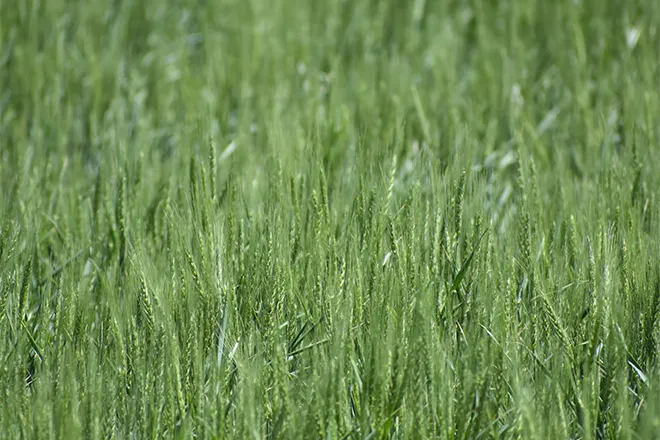
iStock - IMNATURE
"Counties -- and actually surrounding counties -- that have higher numbers of organic farms have increased median incomes and reduced poverty rates," Smith reported.
Last year, organic food sales surpassed $70 billion and farmers earned between two and three times more for their grains, dairy and key crops than conventional growers who use petrochemical inputs not allowed in organic operations.
The report “Organic Farming Economics” outlined how farmers can weather the three-year transition to organic production. Defenders of conventional farming said organic practices require more land and produce lower yields, insufficient to feed a growing global population.
Smith noted more than 70 percent of U.S. soybeans and 40 percent of corn are used to feed livestock. Another 40 percent of corn is used to produce ethanol. He recalled one conversation between an organic farmer and two conventional farmers who made similar claims about the challenges of feeding the world.
"His point was, '100 percent of what I grow as an organic farmer is feeding people. A large percentage of what you’re growing is going into fuel or to feed animals, not people.' And they agreed," Smith recounted.
In 2023, there were nearly 253 certified organic farms in Colorado, up from 181 in 2016. Smith noted health concerns are a big factor driving consumers and farmers toward organics. He pointed to a wide body of studies linking exposure to synthetic fertilizers and petrochemical pesticides with higher rates of cancer compared to the general population.
"We know that about 50 percent of all the synthetic fertilizers used do not get taken up by the crop but are lost to the environment in some way," Smith added. "That becomes an environmental contamination."