Texas cattle ranchers wary of New World Screwworm infestation
Texas’ cattle industry is facing a threat from an infestation of the New World screwworm, a parasite that state agriculture officials say could cost the industry more than $1 billion if it is not contained.
The parasite is carried by flies and targets the flesh of warm-blooded, living mammals, including humans. The U.S. Department of Agriculture and the Texas Animal Health Commission are working in South Texas to eradicate the insect.
Jennifer Koziol, associate professor of food animal medicine and surgery at the Texas Tech University School of Veterinary Medicine, said everyone should remain vigilant now that the fly is in the state.
“In those infested zones, Texas Animal Health Commission and their partners are going from ranch to ranch, operation to operation, spreading the news, developing surveillance plans, management plans with those people,” Koziol said. “Everybody has a stake in this.”
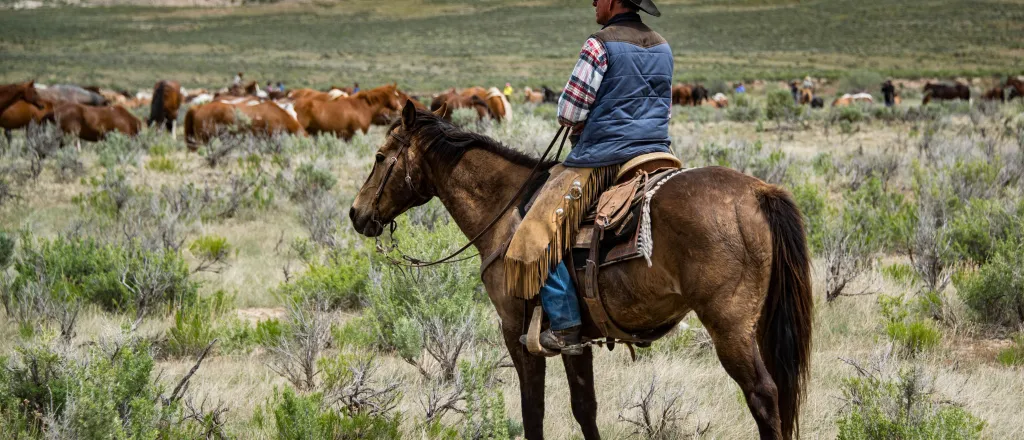
Texas is the top cattle-producing state in the country. Officials say beef is safe to consume, but the infestation could cause prices to soar.
Sterile male flies are being released in the region in an attempt to stop the spread. The technique halts the insect’s reproductive cycle.
Governor Greg Abbott has issued a disaster declaration for the state.
If an animal becomes infected, it can start to show signs within a week. Symptoms include a suspicious wound with a foul smell. An infected animal could also self-isolate.
Koziol said all animals should be closely monitored, including wildlife.
“These ranchers often have wildlife populations come through their pastures and fields, and we need to be mindful of watching those too,” Koziol said. “And if we see something infected, then we need to contact Texas Parks and Wildlife.”
A dog in New Mexico has already been infected. Koziol said if the spread continues, the impact could be far-reaching.
“Not only the state of Texas, but to the U.S. as well,” she said. “Certainly, we’re going to have reduced production in our animals. It’s going to certainly take increased management to help keep our animals healthy. And so, all of those things are going to have an impact on the state.”