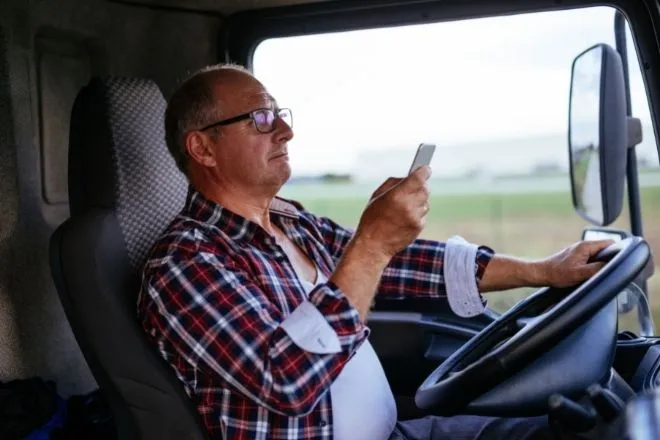
Time change brings reminder to watch for wildlife on Colorado roads as new law supports collision prevention

Colorado drivers should slow down and watch for wildlife at night as daylight saving time ends and animals move to their winter ranges, state wildlife and transportation officials said October 29, 2026.
Daylight saving time ends Sunday, November 1, 2026. People will set clocks back one hour, and dusk will come earlier. At the same time, wildlife are migrating to wintering habitats during rush-hour traffic.
Colorado Parks and Wildlife (CPW), the Colorado Department of Transportation (CDOT) and Colorado State Patrol (CSP) are asking motorists to drive with care. Colder weather pushes animals to lower elevations.

© iStock - Zephyr18
Troopers responded to 3,811 crashes involving wildlife last year, according to a recent State Patrol press release. October, November and December were the most active months. State Patrol officials urge drivers to remove all distractions while driving.
Elk, pronghorn and deer migrate each year. They follow traditional routes between seasonal ranges, drawn by plant growth and good weather. Wild animals need to move between these ranges to respond to changes in habitat and landscape pressures.
Colorado is also seeing record-high bear activity across the state this year. Bears are usually active at dawn and dusk. They are constantly searching for food to fatten up before winter, so drivers may see more bears on roads.
"Colorado has the largest elk population in North America, alongside thriving numbers of deer, moose, pronghorn, and bighorn sheep across our state," said CPW Wildlife Movement Coordinator Michelle Cowardin. "As these animals enter the fall mating season and move to their winter ranges, their paths frequently cross our busy roadways. We urge motorists to remain exceptionally vigilant behind the wheel—obeying speed limits and scanning for movement can make all the difference in preventing a collision with wildlife."
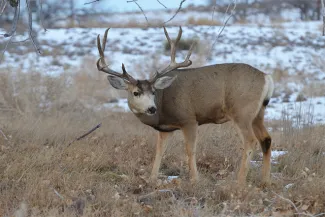
Mule deer. Courtesy CPW.
Highway projects take wildlife into account to help reduce crashes. Parks and Wildlife and the transportation department track wildlife data. This helps them find the places that would benefit most from highway projects that protect wildlife and keep drivers safe. Work between the agencies has led to statewide wildlife prioritization plans. To learn more, visit the Colorado Wildlife Transportation Alliance webpage.
"We are aware that roadways can be a huge obstacle for wildlife connectivity, and that is why CDOT's design and engineering teams continue to explore ways to include wildlife mitigation features into our highway construction projects," said CDOT Chief Engineer Keith Stefanik. "We consider it a wise investment to include features like underpasses, overpasses and high wildlife fencing, especially when they can help reduce the number of wildlife-vehicle crashes by 80 to 90 percent."
Colorado Highway Migration Projects include the I-25 Greenland Wildlife Overpass, the I-70 Genesee Wildlife Crossing, the I-70 West Vail Pass Auxiliary Lanes/Wildlife Underpasses, the US 160 Fort Garland Wildlife Underpasses, the US 550 Connection South Wildlife Underpasses and the Colorado 9 Colorado River South Wildlife and Safety Improvements.
The Greenland wildlife safety system includes five underpasses and one overpass. They cover an 18-mile stretch between Monument and Castle Rock. Near Fort Garland in southern Colorado, a wildlife guard and tall fencing were installed at a side road off U.S. Highway 160. Wildlife guards are wider than regular cattle guards. They are designed to keep large animals like deer and elk from jumping onto the highway. Bears have also been seen using wildlife crossings, including a Colorado Highway 9 underpass.
This year, the Colorado Legislature passed Senate Bill 141 (SB-141), known as the Wildlife Collision Prevention Program. Beginning January 1, 2027, an optional $5 fee will be charged when people register vehicles. The money will pay for wildlife safety projects across the state.
The fee applies when registering a passenger motor vehicle, light-weight truck, motorcycle or recreational vehicle. People may decline to pay it. Not paying the fee does not affect a person's ability to register a vehicle.
Wildlife safety projects create safe crossings and better connect habitat along Colorado's highways. Features include underpasses, overpasses, high exclusionary fencing, wildlife guards and escape ramps. These systems save both animal and human lives by reducing crashes. The Colorado Department of Transportation, Colorado Parks and Wildlife and the Colorado Wildlife Transportation Alliance work together to design and build these projects in areas with high crash rates.
Representatives from CDOT, the State Patrol, Parks and Wildlife and Environment Colorado will hold a media event Friday, October 30, 2026, at 11:00 a.m. The event will recognize the success of the state's wildlife crossing systems and share safety messages. It will take place in the lower parking lot of the Flatiron Community Church West Campus, 24887 Genesee Trail Rd., Golden, Colorado 80401, and include a walking tour of the underpass.
Officials offer these safety tips for drivers:
- Slow down. Driving at high speeds raises the danger of a crash with wildlife.
- Stay alert. Pay close attention to the road between dusk and dawn. That is when deer and other wildlife are most active and crossing roads. Watch for movement and shining eyes along roadsides.
- Obey traffic signs. Many highways have wildlife warning signs to alert drivers to areas where animals are active.
- Always wear a seat belt. Not every crash can be avoided. Wearing a seat belt cuts the risk of serious injury and death in a crash by half.
- Report collisions. Drivers involved in a wildlife-vehicle collision should report it to the Colorado State Patrol by calling *CSP (star key and 277).