University of Idaho research center celebrates 100 years of agricultural development

Crowds gathered Friday to celebrate the more-than 100-year anniversary of the Parma Research and Extension Center, a site established by the University of Idaho in 1925 to research new agricultural technologies and combat local conditions adverse to farming, such as invasive pests.
The research grounds, spanning close to 230 acres of row crops, desert land and orchards, employ different research initiatives ranging from soil health analysis to irrigation system testing.
As researchers welcomed visitors to the center’s centennial celebration, informative booths and tents at the main station described many of its current projects. Their findings look to improve agricultural crops, among other production-oriented activities like fruit cultivation, to support local farming needs.
Looking back at the past 100 years, researchers and state officials say it has been successful.
“This partner research and extension center continues to deliver the University of Idaho’s land-grant mission by conducting world-class research and disseminating knowledge to our Idaho producers,” Leslie Edgar, J.R. Simplot Endowed Dean of the College of Agricultural and Life Sciences, said in a speech delivered to attendants.
Aside from the information presented in booths, the event also featured catered food offerings, a nearby pollination garden where different soil techniques were tested and guided tours across the facility.
Presentations trace century of impact
Speeches began around 1 p.m., as center director Chris Caron opened the floor with a harmonica rendition of the U.S. national anthem. Soon after, he traced the origins and development of the center to its troubled inception in 1925.
At the time, local Parma farmers faced an infestation of alfalfa weevils, an invasive insect species that can latch onto farmland and cause damage to crops. These farmers called the University of Idaho, with its team of entomologists, to ask for assistance. One year later, the center was in operation.
“From day one, this place was put here to serve this agricultural community,” Caron said in his opening speech. “It’s the growers, both big and small, and it’s the agricultural industry as a whole, that gives this station its purpose.”

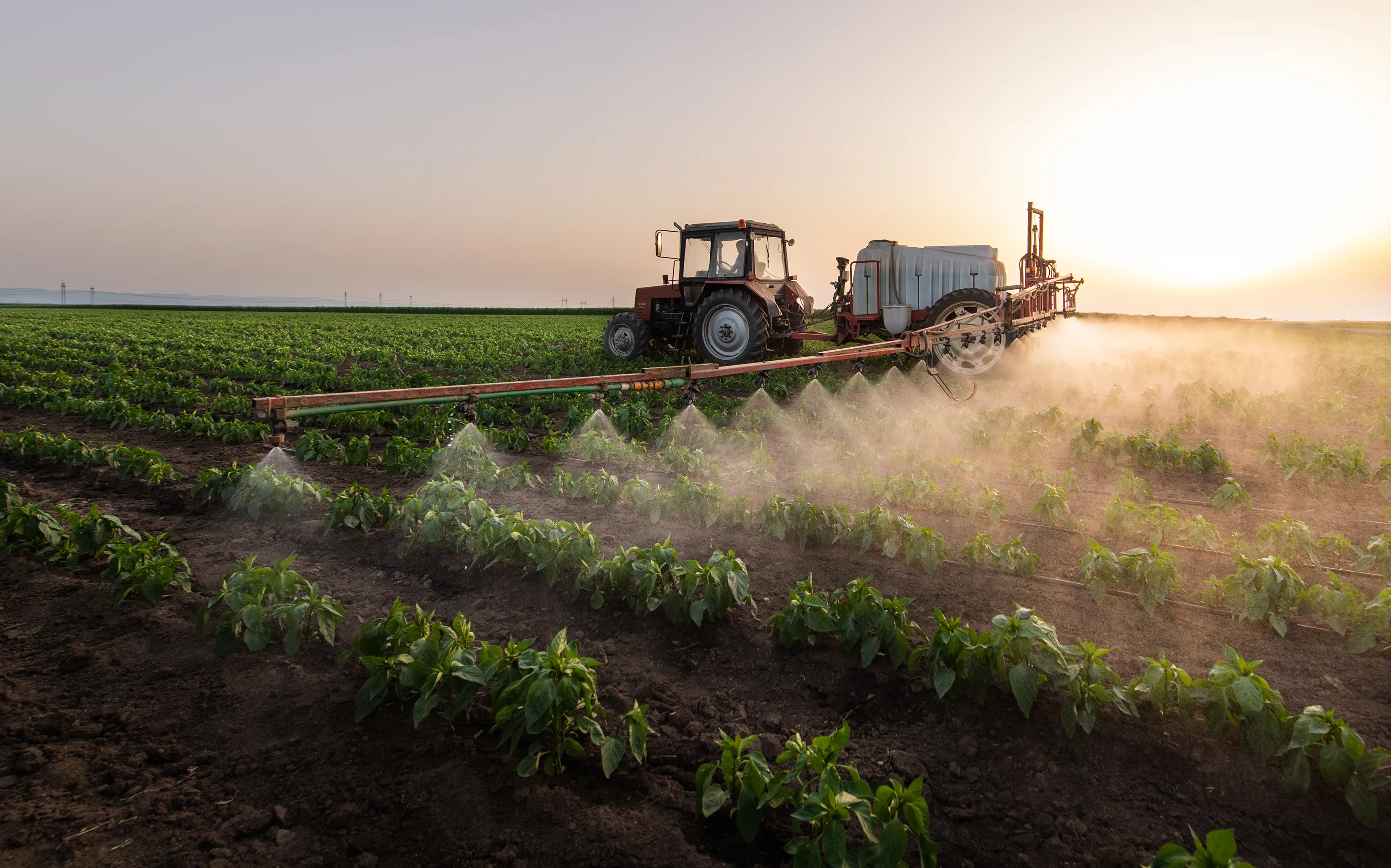
© iStock - denizbayram
Caron’s speech was followed by Edgar, University of Idaho Senior Director of Government and External Relations Rachael Bickerton and Lieutenant Governor Scott Bedke, each of whom celebrated the accomplishments of the past 100 years.
Some of the state representatives present, including Bedke, agreed with Caron’s speech, highlighting that the interconnection of business and science made the center an integral part of local agriculture.
“(The center) allows our producers access to cutting edge science, and we’re all competing in world, if not regional, markets where production efficiencies are paramount,” Bedke said in an interview with the Idaho Capital Sun. “It is really critical to our bottom line, and this gives us access to the latest in science.”
Speaking of his own experience in farming, Bedke also said the research services provided by the center can bring large returns for investors and taxpayers.
“As a young producer, very involved with the Extensions Office in Twin Falls, more in livestock but also in grasses in Aberdeen, I’m a fan,” he added.
The bulk of said research pertains to “high-value cropping systems” in the area, including what Edgar described to the Idaho Capital Sun as vegetable seed production. These vegetable projects test new agricultural management techniques, as well as soil health, pollination or nematode – microscopic roundworms found in soil – application to increase crop resistance.
According to Edgar, this means collaborating with local farmers to identify and address problems. With conditions around the state changing in accordance to the climate, such as drought, or through new demographics in the size of available farm land, Edgar said the center would become more and more critical.
“In the next 100 years, neither you nor I will be here, but there’ll still be this footprint here that’s working directly with however agriculture looks at that time,” Edgar said.
For now, the center is focused on restaffing many of its vacant research positions, according to Caron, who joined the team in 2025.
“I want the one year report to my boss … (to say) that we have this place running at full capacity,” Caron said to the Idaho Capital Sun. “That’s my goal.”