In Utah, still a national hotspot, measles cases hit 663

© Muhammad Farhad - iStock-2202501869
With at least 663 measles cases confirmed, Utah continues to be a national hotspot — but the state’s outbreak, while still active, appears to be tapering.
As of the Utah Department of Health and Human Services’ last update to the state’s measles tracker on Tuesday, so far 466 Utahns have been diagnosed with measles so far this year — on top of 197 diagnosed last year.
Over the last three weeks, the number of Utahns with measles reported to public health officials was 37. That’s compared to 121 during a three-week span leading into April, when Utah’s measles outbreak became the most active in the U.S. after South Carolina’s outbreak tapered.
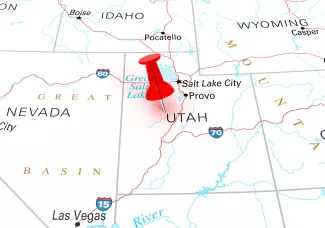
Utah’s ongoing measles outbreak is the biggest the state has seen in more than 40 years, Utah epidemiologist Leisha Nolen has said.
According to Utah’s measles dashboard, the biggest hotspots in the state include:
The Southwest Utah Public Health Department’s jurisdiction, which includes Washington, Iron, Kane, Beaver and Garfield counties. There, 263 cases have been reported as of Tuesday.
Utah County, with 109 cases.
Salt Lake County, with 62 cases (the same number reported since early April).
The TriCounty Health Department’s area, which includes Daggett, Duchesne and Uintah counties, with 73 cases.
The Central Utah Public Health Department’s area, which includes Juab, Millard, Piute, Sanpete, Sevier and Wayne counties, with 83 cases.
Of the state’s 663 confirmed cases, 51 people have been hospitalized. About 430 are under the age of 18, while 233 are adults.
The state reported 567 Utahns who have been diagnosed with measles were not vaccinated, while 64 were, and 32 have an unknown vaccination status.
On the state’s website, Utah health officials maintain a running list of “exposure locations” where Utahns may have come into contact with a person infected with measles.
“Because measles is spreading in Utah, there may be other exposures or exposure locations that we are unaware of and are not listed here,” state health officials say on the state’s exposure locations website. “As soon as a new exposure location is confirmed, we add it to the list below. The list is updated throughout the week. If you have questions about any of the exposure locations, contact your local health department.”
How to recognize measles and what to do
Measles symptoms usually appear seven to 14 days after exposure, according to health experts. Early symptoms include a high fever (of 101 degrees Fahrenheit or higher), cough, runny nose, or red eyes.
A rash will also usually appear after four days of fever.
State health officials encourage anyone who develops symptoms to stay away from other people and call your healthcare provider before going to a clinic or a hospital to prevent others from being exposed.
Health officials also encourage parents to talk to their doctors about giving an early, extra dose of the MMR vaccine to their infants who are older than 6 months and younger than 12 months to protect them amid the outbreak, even if they haven’t been exposed to someone with measles.
Health officials usually recommend that infants who are 6 months to 12 months old get an early, extra dose of the vaccine if they are traveling internationally or to an area where measles is spreading.
But “given the high levels of measles in Utah, it is now appropriate to consider this early, extra dose for all Utah infants of this age,” state health officials say on the health department’s website. “Any infant who gets a dose before 12 months old will need to get 2 later doses in accordance with the standard vaccination schedule at 12–15 months and then a dose at 4–6 years.”