Colorado lawmakers begin debate for second time over bill to repeal Labor Peace Act

© tupungato - iStock-1002099350
Colorado lawmakers began debate Friday on a bill that would ease union formation in the state, a policy that passed the Legislature last year but was vetoed by Governor Jared Polis.
The House of Representatives passed House Bill 26-1005 on a voice vote Friday afternoon. It still needs a final, recorded vote to advance to the Senate.
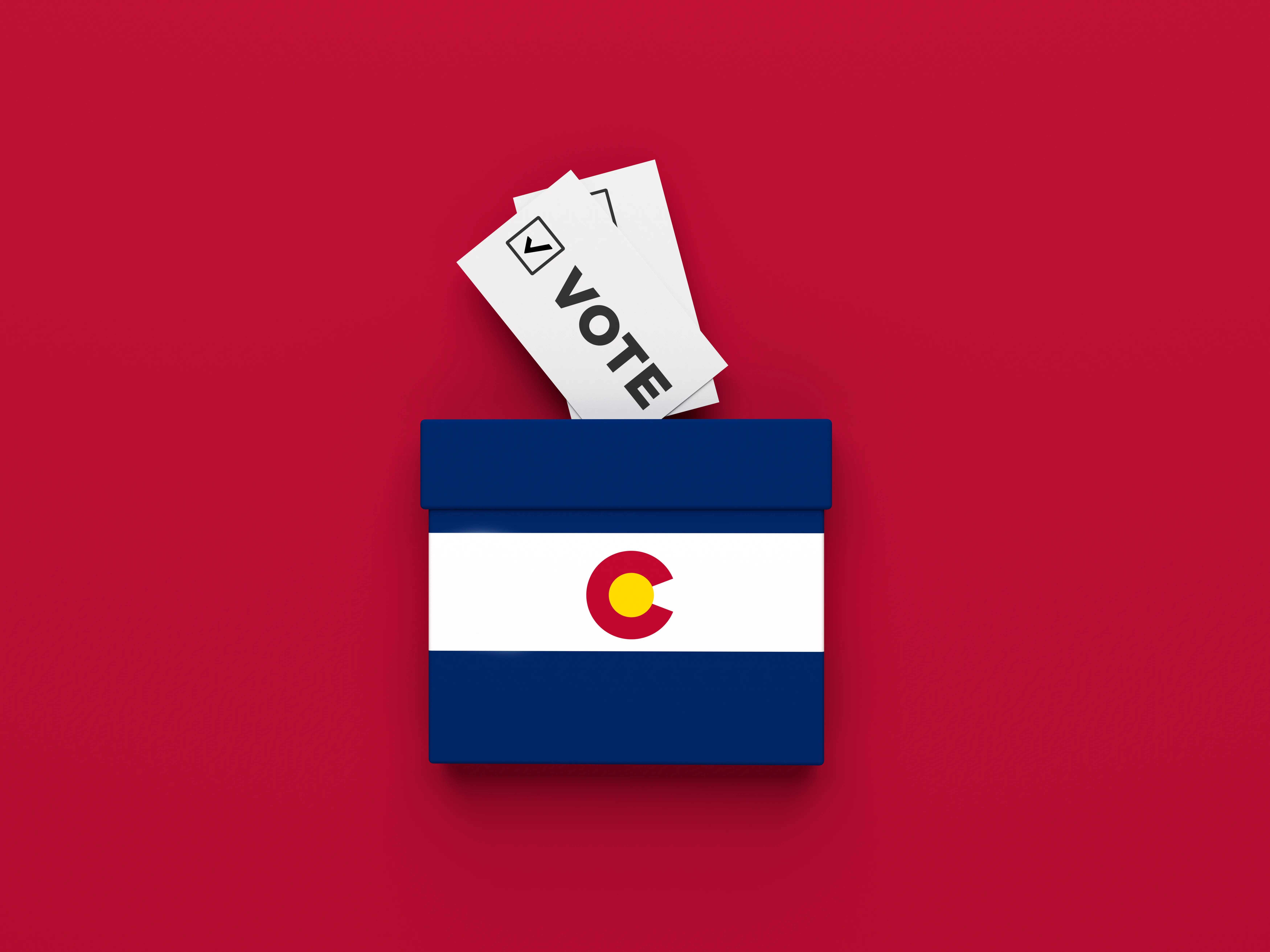
The bill would repeal a second election requirement in the state’s union laws, a provision that’s unique to Colorado. As it stands, a union needs a 50 percent approval to form — as determined by federal law — and then a second 75 percent approval for employees to negotiate so-called union security, the clause in a bargaining agreement that compels all employees to pay into union representation.
© fotoguy22 - iStock - 1468912821
Those terms are codified in the state’s Labor Peace Act from 1943.
“Colorado is the only state that has two votes that are required even to begin to bargain, and so I say that one vote is necessary for people to know if they want to even negotiate,” Assistant Majority Leader Jennifer Bacon, a Denver Democrat, said.
Bacon is running the bill alongside Representative Javier Mabrey and Senators Iman Jodeh and Jessie Danielson, all Democrats.
The time between that first and second election, supporters say, is a heavy burden, when union supporters must encourage voter turnout yet again, and it gives businesses time to potentially intimidate workers.
“What is the purpose of the second vote? What is happening in the time between the first and second?” Bacon said. “If your answer is ‘We’re bringing more people to vote,’ then one vote should suffice.”
Unions have to bargain on behalf of all employees, regardless of membership, and union security ensures that everyone pays for benefits like lawyers and negotiators. Non-members do not typically pay as much as full union dues.
“The person who is not paying those union dues still get that pension, that 401(k), your vacation time, and they don’t have to pay. Is that fair?” said Representative Sheila Lieder, a Jefferson County Democrat.
The bill passed along party lines last year after stalling for most of the session, as lawmakers, business groups and labor advocates tried to hash out a compromise that would get Polis’ signature. That deal never came, however, and Democrats sent the bill to Polis’ desk anyway. He vetoed it, as he indicated he would.

© designer491 - iStock-931431806
“I believe it is our duty to give the governor the opportunity to do the right thing,” Mabrey, a Denver Democrat, said. “This is one of the few bills that’s focused on the other side of the affordability crisis — how much people are being paid — and we’re proud to give the governor a chance to do the right thing.”
This is Polis’ final year in office.
Republicans are likely to uniformly oppose the bill, as they did last year.
Representative Chris Richardson, an Elbert County Republican, compared union elections to the Legislature’s own process, which requires a voice vote on second reading and then a recorded vote on third reading.
“Today, without the entire House on the floor, we’re going to debate this bill and at the end, we’re going to take a vote,” he said. “But that’s not the controlling vote. That’s not the vote that will send this forward to the Senate.”
Representative Rebecca Keltie, a Colorado Springs Republican, said the bill is about “ripping money out of people’s pockets without their consent,” and the second election is a safeguard for those who do not want to be in a union.
“If people want to start a union, go ahead. If you want to pay into your union, go ahead.
But those who don’t should not be forced into something that they don’t want to do, and especially taking money out of their pockets without their permission,” she said.