Conservation groups appeal bison grazing decision

American Prairie and other conservation organizations have filed appeals in the federal government’s decision to terminate bison grazing leases on Bureau of Land Management parcels in Montana.
As a result of the lease cancellation, American Prairie has halted an annual bison harvest program — which would have issued 17 hunting permits to members of the public this year — and tribal nations argue it will have a negative impact on food sovereignty programs.
The BLM issued its final decision in early May, canceling all seven bison-grazing permits for American Prairie with a September deadline to remove its herds from federal land.
On June 4, American Prairie filed its appeal with the Department of the Interior, and this week conservation organizations Defenders of Wildlife and the Western Watersheds Project also filed appeals.
“BLM’s new interpretation has no basis in law and contradicts its own findings,” said Pete Frost, attorney at the Western Environmental Law Center representing Western Watersheds. “BLM reversed itself due to politics, not the law, nor the need to restore prairie grasslands.”
American Prairie is a nonprofit dedicated to conserving prairie land in Montana and manages more than half a million acres between private holdings and leased land. The organization also has a focus on species restoration, including bison, the national mammal.
The organization has around 900 animals in its herd, and has been grazing them under BLM authorization, with some leased acreage stretching back two decades.
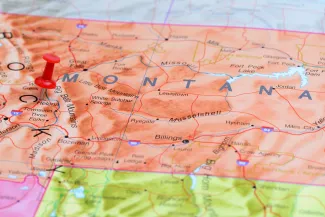
But over the last few years, with appeals filed during the Biden administration, Montana officials have argued bison grazing is a risk to Montana’s ranching community.
Montana, along with the Montana Stockgrowers Association and other livestock groups, appealed a 2022 decision that authorized the American Prairie’s bison grazing leases, which had followed nearly three years of public scoping and environmental analysis by the bureau.
Under the Trump administration, direct appeals from Montana Governor Greg Gianforte, Attorney General Austin Knudsen, and the state’s congressional delegation saw a response from Interior Secretary Doug Burgum, who “assumed jurisdiction” of the cases dealing with American Prairie’s grazing rights.
Conservation groups have said the decision to terminate those leases is political at its core.
Western Watersheds, in a press release, cited reporting by Public Domain pointing out Karen Budd-Falen, now the third-ranking official in the Interior Department, represented some ranching groups in the appeals of the original 2022 decision allowing bison grazing.
Montana officials, on the other hand, argue grazing bison doesn’t fit the purpose of those federal lands, and working lands should support ranching families who help feed the country.
Bison productivity requirement
In the May decision canceling the leases, the BLM focused on the 1934 Taylor Grazing Act, the legal framework that governs leases on federal lands. Using a new definition of livestock, the decision states grazing permits are limited to cases where the animals “will be used for production-oriented purposes.”
But American Prairie argues it has “contributed hundreds of bison to tribal food sovereignty programs, supplied bison as breeding stock to grow bison herds for meat production and economic benefits, and allowed the public to harvest hundreds of bison for meat consumption,” arguments that BLM has so far rejected.
“The agency overturned American Prairie’s grazing permits on unrelated factors: the organization’s conservation goals, management, purpose, and intent,” the appeal states. “In other words, BLM set up one standard based on the animal’s use and then — ignoring American Prairie’s strong evidence meeting that standard — the agency arbitrarily denied the permits on an entirely different basis.”
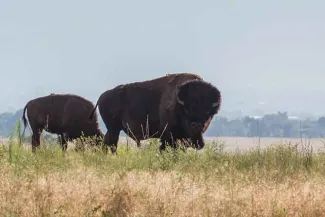
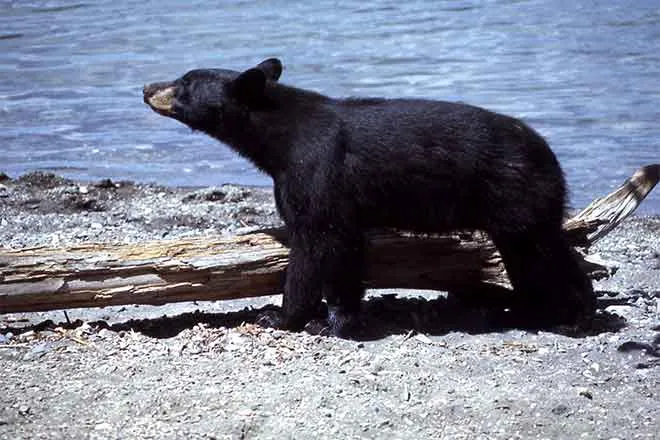
Courtesy USFWS - Kayt Jonsson
American Prairie notes the cancellation of hunting permits means a loss of $25,000, but
the impacts of the new livestock definition could ripple past American Prairie’s lease holdings, with multiple tribal nations concerned it could limit their own ability to manage bison herds.
Earlier this year, the Coalition of Large Tribes — a group representing more than 50 Native American Tribes — protested BLM’s proposed decision, saying the new definition of livestock would impact tribal bison herds and “any related bison co-stewardship or surplus programs.”
The decision, as written, makes it “unlikely that any tribal government or tribal citizen buffalo herd would ever be eligible for BLM grazing leases,” the Coalition wrote in its protest.
According to American Prairie, the organization has supplied 645 bison to entities in eight states plus Washington D.C., including shipping bison to nine tribal nations — five in Montana.
“These animals are going to local tribes for their food sovereignty,” said Chamois Andersen with Defenders of Wildlife. “What an incredible opportunity to be managing the bison resource ecologically for Native nations to have that benefit.”
“The opportunity to graze on public land should not be exclusive to cattle – they’re not native. It should be open to our native grazer, bison,” Andersen said in an interview with the Daily Montanan. “They in fact have far more ecological benefits to habitat restoration – which BLM is supposed to do – not just provide forage for bovine cattle, but that the animal is contributing to the health of rangelands.”
According to a 2025 BLM infographic about the agency’s grazing program, there are 41 grazing permits for bison issued by the Bureau across the country, alongside 18,000 permits and leases overall.
When the decision to rescind the grazing leases was announced, Montana’s elected officials praised the federal government for prioritizing Montana ranchers over “an ideological experiment.”
“This final decision is a victory for the rule of law and the generations of Montanans who have stewarded our lands with care,” Gianforte said.