Daily Audio Newscast - January 23, 2026

© AlexLMX - iStock-823000260
Six minutes of news from around the nation.
5-year-old boy taken by ICE in Minneapolis being held with father at Texas facility; Kentucky parents worried about losing child care assistance; Mental health advocates: NYS must increase youth investments; MN schools elevate Native American teachings with book series; AI growth raises job loss concerns for Black PA workers.
TRANSCRIPT
The Public News Service daily newscast, January the 23rd, 2026.
I'm Mike Clifford.
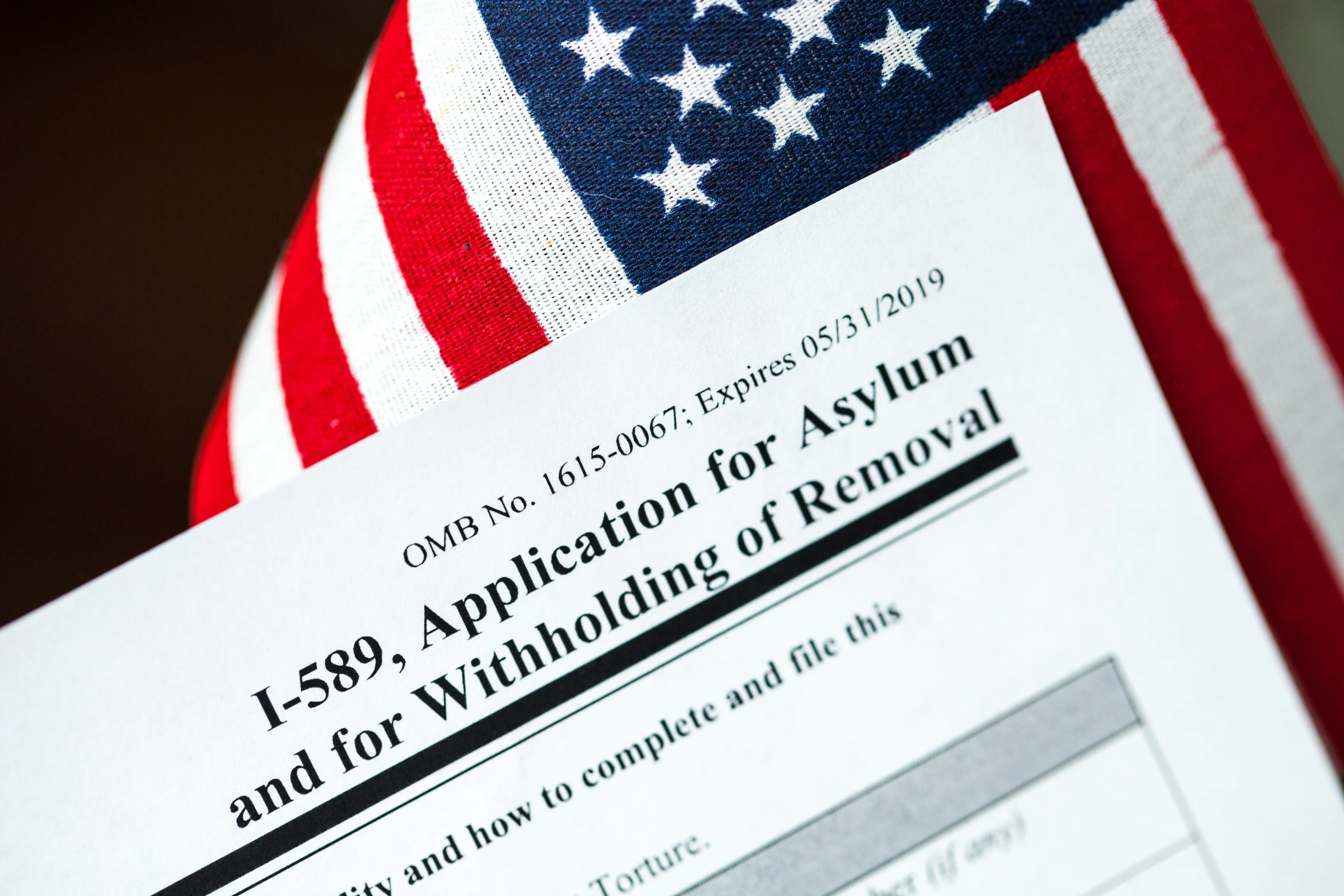
A five-year-old who was taken by federal agents from the driveway of his Metro Minneapolis home Tuesday after returning from preschool is being held with his father at an ICE facility in Texas, according to school district officials and the family attorney.
That from CNN.
They report the preschooler, Liam Correo Ramos, was removed from the family's running car, according to the Superintendent of the School District in Columbia Heights.
CNN notes the family's lawyer said Thursday evening, "They are not illegal aliens.
They came properly.
They came legally and are pursuing a legal pathway."
Meantime, child care centers and households across Kentucky are bracing for a federal freeze on child care assistance after the Trump administration halted billions in state funding over fraud allegations.
Without federal assistance, Mahogany Livers, a working single mom in Franklin County, says child care would cost her more than $700 a month, more than her car payment, and nearly half her monthly rent.
She says with no family nearby to help look after her young son, she could lose her job.
I would not be able to not only cover basic needs, but I would have to choose between getting to a job that have no child care for or having access to healthy food choices.
So far, there have been no documented fraud cases in Kentucky, but the freeze could still be extended to the state.
Next week, U.S. Senate lawmakers will discuss the issue at a Judiciary Committee hearing.
An estimated 34,000 kids in the Commonwealth rely on federal assistance to stay in child care centers.
This is Nadia Ramligan for Kentucky News Connection. and New York advocates want the state to invest more in youth mental health.
The proposed 2027 budget addresses families' needs with universal health care and an expanded child care tax credit, but lacks funds to fill gaps from federal health care cuts.
Reports show the state's youth mental health services failed to sufficiently prioritize early intervention for behavioral health issues in kids.
Saba Merchant, with the Children's Defense Fund of New York, describes what's needed to aid youth mental health in the state. community-based organizations that will equip students and schools with robust mental health resources and also having directly Medicaid-based behavioral resources within schools.
Aside from federal funding challenges, there have been state issues in garnering more youth mental health services.
She points out how much of this comes down to funding and access to services.
But studies from the Youth and Power Collective and the city's Center for Innovation through data intelligence find unconditional cash grants for young people aging out of foster care allowed them to improve their mental and physical health.
I'm Edwin J. Viera.
This is Public News Service.
Minnesota schools are getting new materials to enhance their teaching of Native American history.
An emerging book series aims to blend a more comprehensive approach with compassion and curiosity.
The Native Lives series, recently launched by the Minnesota Humanities Center, provides free biographies of Dakota and Ojibwe leaders and changemakers.
The series includes a profile of Carrie Cavender Schaumer, one of five remaining first language Dakota speakers.
She taught in the Yellow Medicine East School District, and Indian Education Director Roberta Biercassette says Schaumer used her gifts with care and purpose to revitalize the language while enabling younger Natives to embrace their identity.
Many of the times she said, and it's reflected in the book, is know who you are, and if you know the language, then you understand what it means to be Dakota.
Her district's student population is nearly 20 percent Native American, but Biercassette says the effort helps non-Native students too.
She says it gives them a deeper understanding of the Upper Sioux community and pushes aside misconceptions.
I'm Mike Moen.
And as artificial intelligence grows, there's concerns about the impact the technology will have on communities of color in Pennsylvania.
Experts say AI will disproportionately impact black workers through displacement and the environmental burden of data centers, which are more likely to be located in marginalized communities.
Keisha Bross, director of the NAACP Center for Opportunity, Race and Justice, says black Black workers are overrepresented in entry-level jobs as well as manufacturing and logistics work.
The best thing that these companies can do is really provide educational tools and resources because we don't want people displaced from the workforce.
We want people to be back in the workforce but also earning a wage that's livable.
Pennsylvania has 93 data centers with more planned for the future.
Danielle Smith reporting.
Finally, expanded access to treatment, home services, and statewide community-based prevention help reduce overdose and suicide deaths in over a two-year period, but fatal overdose counts began to rise again in 2025.
January is Substance Use Disorder Treatment Month, meant to reduce the stigma of addiction and instead highlight pathways to recovery.
Annabel Martinez with New Mexico's Health Care Authority says the state is embracing protective strategies for everyone, from individuals and families to whole communities.
We want every person to know that treatment works, support is available, and recovery is not only possible, but it is happening every day.
New Mexico's data shows there were 80 fewer overdoses in 2023 when compared to 2021, an 8 percent decline.
But sustaining that improvement may be difficult as federal data from 2025 showed New Mexico's fatal overdose counts began to rise.
I'm Roz Brown.
This is Mike Clifford for Public News Service.
Member and listener supported.
Find our trust indicators at publicnewsservice.org.