Fifty for 150: Colorado passes landmark police reform bill in the wake of 2020 George Floyd protests

© Evgeniy Grishchenko - iStock-2155580431
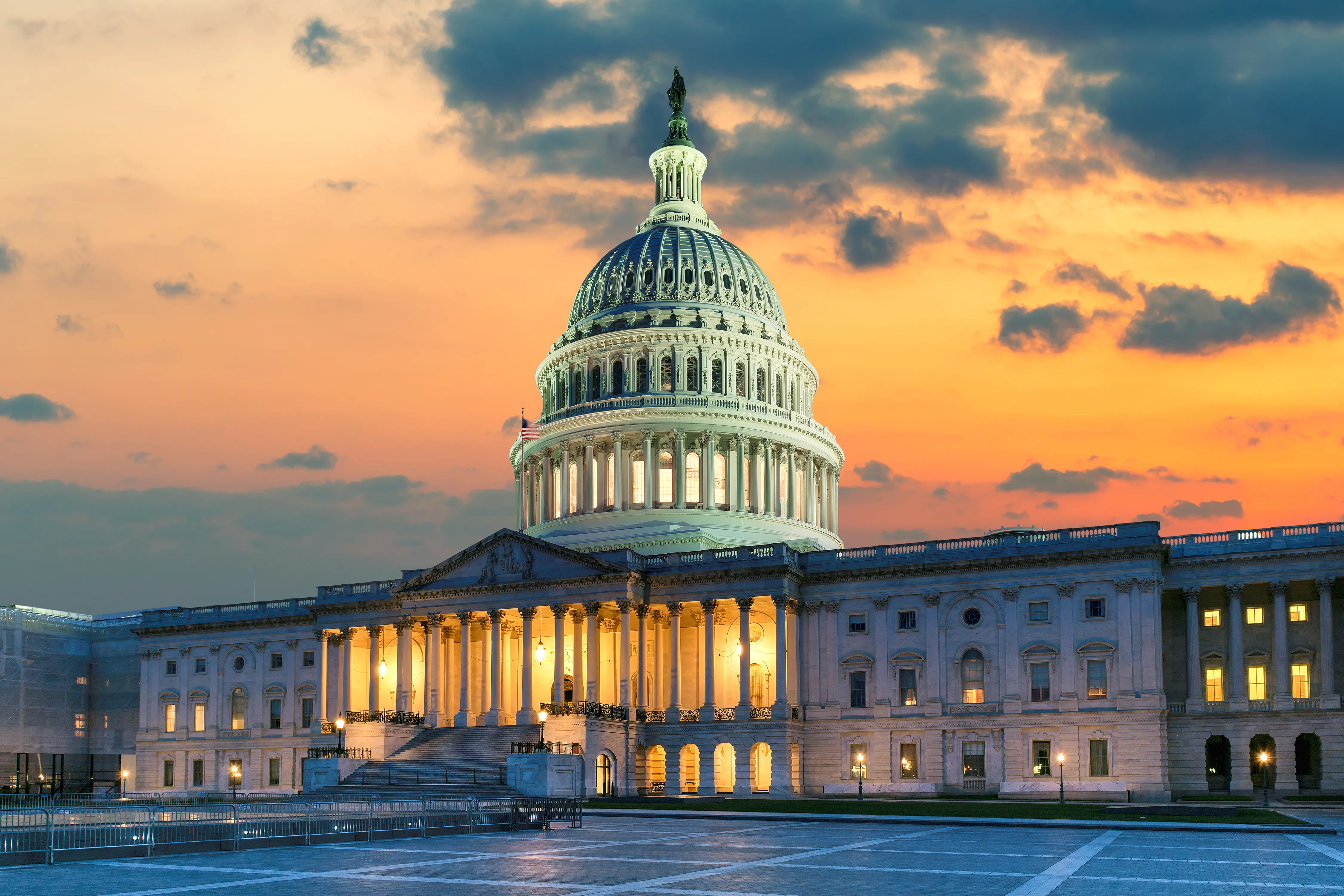
The Colorado General Assembly took the unprecedented step of suspending its work on March 14, 2020, pausing in the middle of its 120-day legislative session amid deepening nationwide disruptions caused by the COVID-19 pandemic.
This story is part of Colorado at 150. Each Fifty for 150 story focuses on an event that helped define Colorado over 150 years of statehood. Newsline is publishing one Fifty for 150 story every weekday in reverse chronological order until the sesquicentennial, August 1, when the final of 50 stories, about the declaration of statehood, will appear.
When lawmakers reconvened at the Capitol more than two months later, much of the work they had planned for the session had to be scrapped, the Democratic majority’s legislative agenda narrowed down to a few must-pass priorities and a set of measures responding to the public health emergency.
© tussik13 - iStock-908521486
But within hours of returning to work on May 26, lawmakers were also confronted with an issue that had once again been propelled to the forefront of the national political conversation: police brutality. One day earlier, George Floyd, a Black man, was killed by police in Minneapolis, igniting a nationwide wave of protests and widespread calls for accountability and reform.
Outside of the Colorado Capitol, thousands of demonstrators swarmed Civic Center Park on consecutive days and nights in late May and early June, becoming part of the largest protest movement in U.S. history, with as many as 26 million participants nationwide.
In Denver, the demonstrations were overwhelmingly peaceful, though some vandalism and property destruction occurred and hundreds were arrested during clashes with police. The Denver Police Department has subsequently paid tens of millions of dollars in a series of civil settlements related to its officers’ conduct toward demonstrators.
The George Floyd protests brought renewed local and national attention to the 2019 death of Elijah McClain, a 23 year-old Black man who died in Aurora after police officers detained him and paramedics sedated him with ketamine while he was walking home.
As the Capitol itself became a target of vandalism and graffiti, lawmakers inside the building introduced Senate Bill 20-217, a police reform measure that proposed a sweeping set of changes to state and local law enforcement practices.
iStock
“Why would you not want greater accountability or transparency in your police department?” then-Senate President Leroy Garcia, a Pueblo Democrat and one of SB-217’s sponsors, said at the time. “We haven’t done enough soon enough.”
SB-217 was passed by overwhelming majorities in the Legislature less than two weeks later, winning bipartisan support in the state House and the approval of all but two Republican state senators. Governor Jared Polis signed it into law on June 19, 2020.
It was the first major piece of state legislation to be enacted in the wake of the George Floyd protests, and one of the most comprehensive.
The law narrowed rules governing when and how police officers can use deadly force; banned chokeholds and other dangerous forms of restraint; required the use of body-worn cameras; ended “qualified immunity,” a doctrine exempting police officers from civil lawsuits in most cases; and created a new misdemeanor criminal charge for officers who fail to intervene when another officer is using excessive force. Lawmakers followed up to strengthen some of the law’s provisions in 2021.
Multiple Colorado police officers have since been charged under SB-217’s failure-to-intervene statute, and Attorney General Phil Weiser used the law to investigate the Aurora Police Department over a pattern of racial bias and excessive force, leading to a sweeping consent decree aimed at reforming the department.