New Mexico's San Juan-Chama restoration project protects water for millions

© joshschutz - iStock-133883324
As this year’s fire season tracks at historic levels, a joint project along the New Mexico-Colorado border aims to protect water quality and watershed health in the event of a wildfire.
Tucker Knight, owner of the Knight Ranch near Chromo, Colorado, located within the San Juan-Chama Project area, is working with The Nature Conservancy to thin and clear overgrown sagebrush and trees on more than 900 acres. Knight owns several ranches and believes in leaving the land better than he found it.
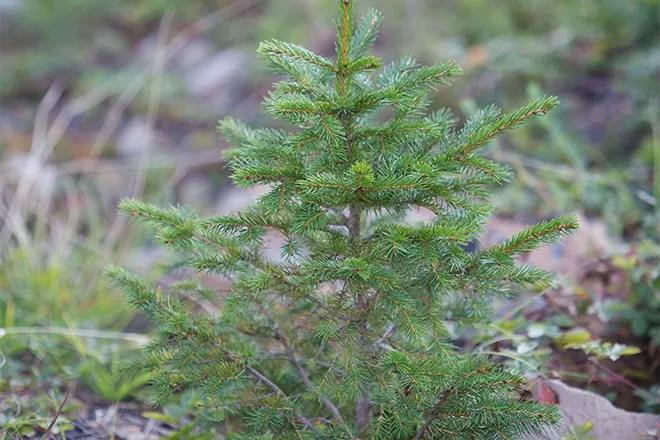
"We basically cut down a lot of dead aspen, a lot of dead fir and cut out some fir to kind of open up the forest floor, get some good sunlight in there, get some good regeneration of more desirable species, or just regeneration in general," Knight outlined.
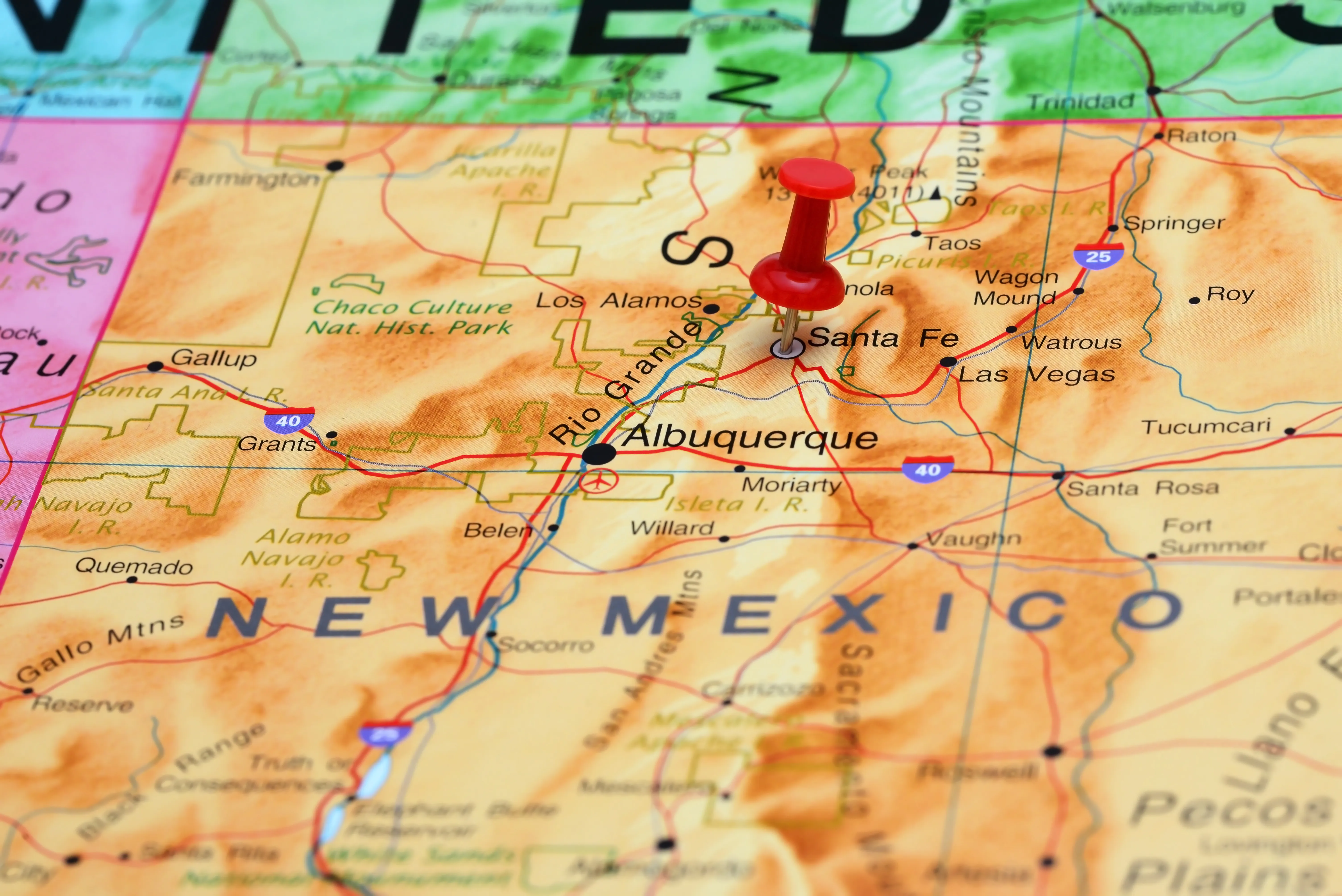
Decades of suppression have left about 74% of the Western U.S. in a massive “fire deficit,” meaning the land is overdue for fire. New Mexico’s forests also have been stressed by drought since 2002. The source area for the San Juan-Chama Project provides water to more than 1 million people, including the cities of Albuquerque and Santa Fe.
A.J. Jones, forest and watershed health manager for the The Nature Conservancy, said in the past, severe wildfires not only have affected water quality but completely cut off supplies for downstream users.

© mheim3011 - iStock-544332118
"If we want to protect our water sources, we really have to work to prevent large-scale catastrophic wildfires upstream," Jones emphasized.
Jones pointed out in four of the past five years, the conservancy has met its collective annual target of 30,000 acres of forest restoration. She noted analysis by the Rio Grande Water Fund established in 2014 identifies which areas are most in need of management.
"The San Juan Chama Project area actually has the highest return on investment for any of the landscapes within the Rio Grande Water Fund footprint that we could work in," Jones added.
Knight believes the best ranchers are also the best conservationists.
"The management practices we're utilizing are extremely accretive and beneficial to the landscape. And so sometimes, the hand of man is good and benefits the hand of God," Knight added.
The project is funded through the U.S. Forest Service’s Community Wildfire Defense Grant program.