With pediatric expansion, Urban Indian Center of Salt Lake clinic breaks record number of patients

Historically, the clinic at the Urban Indian Center of Salt Lake, a health and wellness institution for Native Americans living off-reservation, mostly focused on behavioral and diabetes programs. But that has changed and the numbers of patients visiting the facility are booming and surpassing historical highs.
Before unseasonal snow flurries fell on Thursday, members of various tribes and from the health care community gathered outside the Murray clinic, walking in and out of a tepee installed for an open house to showcase the clinic expansion, and stopping by different tables promoting wellness resources. Some others lined up outside the clinic waiting for their turn to tour the facility.
“Instead of outsourcing services to other partners, which is not a bad thing, we wanted to bring more of that in house and provide that whole person care,” Matt Poss, executive director of the center. “So we provide medical services here. We provide behavioral health, we provide family and community services. A lot of social service programs too.”
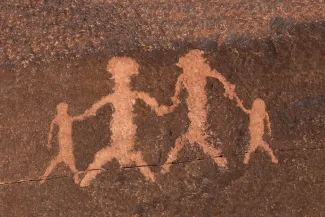
The clinic is now a center that, notably, includes primary and pediatric care, diagnostic imaging and an in-house pharmacy, in addition to other patient support services, such as medical referrals, Medicaid application assistance and transportation support.
Currently, the clinic serves about 150 people per month, the most patients the center had seen in its history, Poss said. That’s because of the recent expansion the center has recently undergone. About 10% to 20% of patients go in for pediatric care, a substantial expansion for the clinic.
Next July, the center will turn 52 years old. It initially was a walk-in resource center for those far away from an Indian Health Service facility, a mission that has been strengthened with the feedback from the community, Poss said.
At some point, Poss said, he’d like to explore updating the facilities as the building ages, making them bigger and better, and placing everything back in just one center, instead of the three locations it now has throughout the Salt Lake Valley.
In addition to health care services, the Urban Indian Center also organizes fitness and community events, and is often doing outreach to provide other health and wellness resources.
© iStock - nevarpp
Anita Teller, the center’s elders services coordinator, organizes two events every month for the elder community.
“Our meetings are just to engage and it’s a safe place to meet, because a lot of our urban natives, elderly people, need a place to connect, a place of belonging,” Teller said while tending a booth promoting the program. “So that’s what I do, is making sure that I give them whatever I can to get them engaged, bring them out and make new friends, and just congregate and have a good time.”
Next to Teller, Penelope Pinnecoose, family and community services department manager at the center, gave out flyers advertising resources to help people quit tobacco.
She oversees the center’s youth and family programs and is often focused on commercial tobacco prevention and ceremonial and traditional tobacco awareness, including anti-vaping programming in Title VI schools, which provide American Indian education.
“We do have a high demand in our community, especially since commercial tobacco is higher in the American Indian, Alaska Native groups, due to whether it’s stress, whether it’s relating to some chronic conditions also,” she said. “So that’s why we try to educate, especially since our communities really, they may be trying to overcome health conditions, but (may be exacerbating them) if they’re smoking, or if they’re involved with some sort of substance.”