Politics: 2026Talks - October 16, 2026

© Arkadiusz Warguła - iStock-1890683226
Politics and views in the United States
Postal workers say their work with mail-in ballots should remain non-partisan, polls show negative economic attitudes in Maryland, and Trump attacks Talarico as the Democrat retains polling edge.
Transcript
Welcome to 2026 Talks, where we're following our democracy in historic times.
We do not look at whether you're voting red or blue or independent.
We look at processing pieces of mail.
This has been around for decades.
We take extraordinary care with the processing of ballots.
As voters begin casting ballots in the midterm elections, Charlotte Area American Postal Workers Union President Miriam Bell explains postal workers are nonpartisan. and dedicated to getting your ballot where it needs to go.
President Donald Trump has waged a legal battle against vote-by-mail practices since his loss to former President Joe Biden in the 2020 election.
This past March, Trump issued an executive order that required states to upload eligible voter lists onto a federal database and allow the Postal Service to restrict mail-in ballot delivery if states didn't comply.
In September, the Supreme Court barred the Trump administration from implementing mail-in ballot restrictions this election cycle.
Trump argues the rules are meant to combat widespread voter fraud that occurs when people vote by mail.
Independent audits, however, have confirmed no widespread voter fraud has occurred, and the president himself has voted by mail multiple times in the past.
Three new polls out of Texas show Democratic State Representative James Tallarico narrowly leading Republican Attorney General Ken Paxton.
Trump has campaigned in Texas, which he won by more than 14 points, in an effort to prevent a Democrat from winning a statewide race in decades.
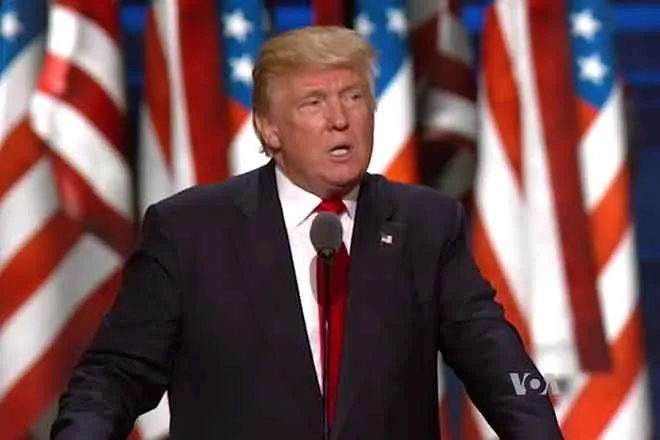
Trump attacked Tallarico at an event for first responders yesterday for past comments the Democrat and seminary student has made on religion.
He's another one.
He said bad things.
Talk badly about Jesus.
Talk badly about many things.
Now he says, oh, well, I was only kidding or something.
In the lead up to the midterms, PNS is highlighting important polls.
The poll by the Institute of Politics at the University of Maryland, Baltimore County, finds 81% of Maryland voters feel economic conditions were poor or fair.
Nearly all respondents said the prices of everyday goods and services, their personal finances, and the cost of housing were the main drivers of their attitudes.
Malia Cromer is with the Institute.
She says prices in grocery stores and regular bills are more politically salient than other economic markers, like interest rates, job reports, or the stock market.
It doesn't matter what your income level is.
Every single person in the state buys goods and services.
Everybody in the state gets an electricity bill or utility bill of some sort.
So that makes perfect sense.
Those monthly or daily bills that people see every single day are what they really think about the most.
Less than half of voters pointed to the stock market source of an economic indicator, despite it being at near historic highs.
Trump has canceled the live stream of a planned execution of a former army major at Fort Hood, who killed 13 people at the base more than a decade ago.
The decision by Defense Secretary Pete Hegseth to live stream the execution by firing squad drew widespread bipartisan condemnation.
This week, voters in Georgia broke early voting records.
Voters cast nearly 50,000 more ballots than on the first day of early voting in the previous midterm election.
Black voters, a staunchly Democratic voting bloc, drove the record.
I'm Zamone Perez for Pacifica Network and Public News Service.
Find our trust indicators at publicnewsservice.org.