Technology, ancient grazing systems transform New Mexico's cattle ranches
Click play to listen to this article.
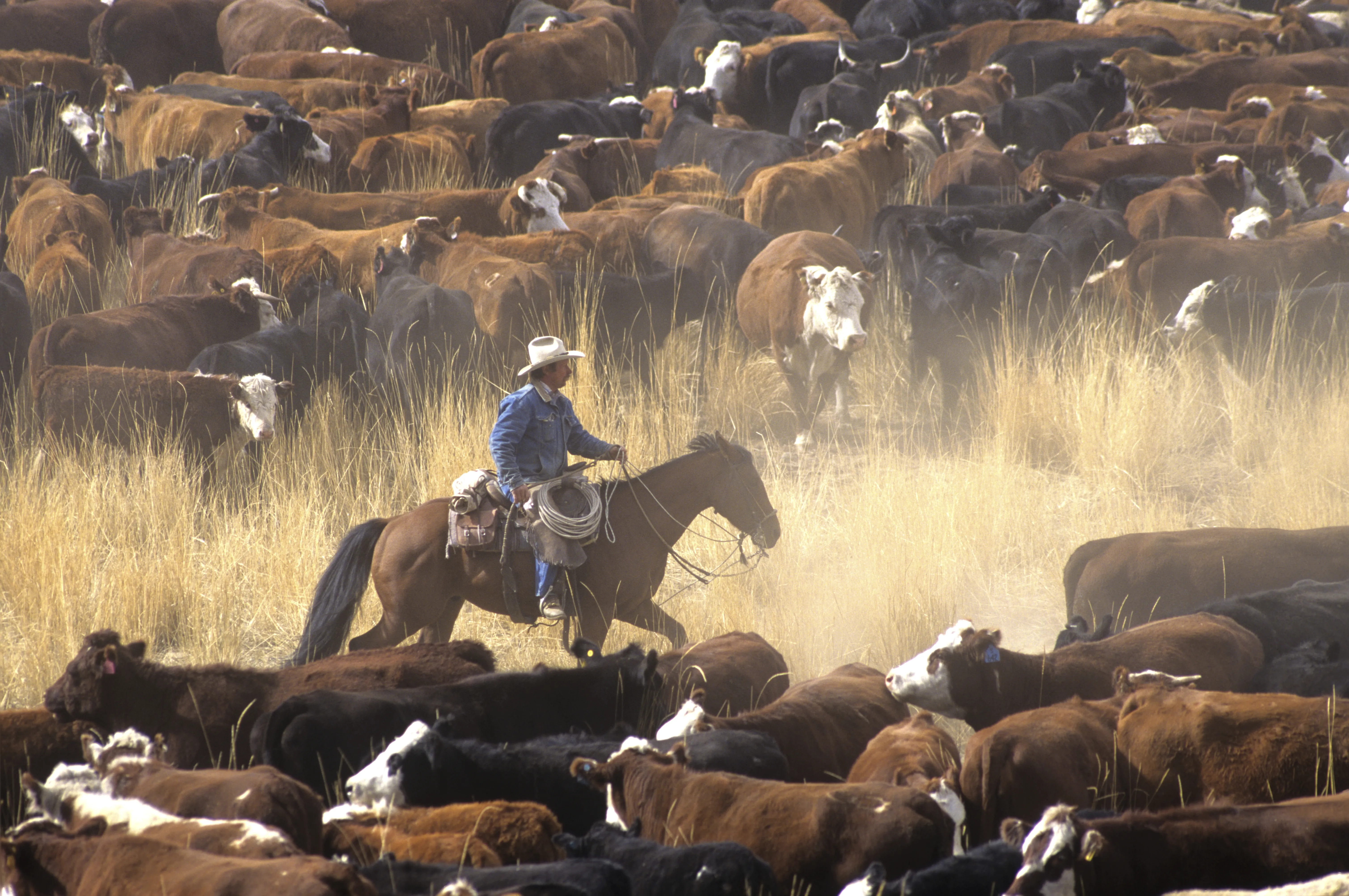
In Guadalupe County, the Armendariz family has been raising cattle for generations and knows firsthand the damage caused to soil from overgrazing.
Now, the regenerative practices they have adopted are paying off big time.
Jim Armendariz, a rancher from Santa Rosa, said virtual fencing and rotational grazing have dramatically improved his landscape and soil. Such techniques build organic matter, increase carbon sequestration and boost biodiversity by encouraging deeper root systems.
In 2000, Armendariz began taking "before" and "after" photos to document changes when land rests for a year before cattle are allowed to return for grazing. He stressed the change was remarkable.
"With this virtual fencing, I'm able to move cattle every day if I want and make a whole new paddock and keep most of my ranch in a resting and recovery phase," Armendariz explained. "It's really improving the health of the land."
His cattle are outfitted with GPS-enabled collars, programmed to create virtual grazing boundaries. If a cow gets too close to an invisible fence, the collar emits a sound signaling it to stop and turn around. If the cow keeps going, it feels a momentary benign shock, indicating it has gone too far. Research shows it takes about four days to train the cattle.
Rotational grazing by cattle is meant to mimic the historic patterns of their cousins: wild bison. Confinement to a smaller paddock means they distribute their own waste more evenly, use their hooves to trample the organic matter and ultimately incorporate the nutrients directly into the soil, creating tastier plants.
Armendariz noted his cattle now eat a greater variety of vegetation.
"When they're all in one bunch, it's like they're next to each other and telling each other, 'Hey, are you going to eat that? OK, well, if you don't want it, I'll eat it,'" Armendariz observed. "They start eating a lot of different plants that they didn't used to eat. It's like the cattle are working for you now instead of you working for them."
Some research shows a well-maintained grazing system can increase the production of forage by 30% to 70%. In addition to ranching, Armendariz is a state rangeland management specialist for the Natural Resource Conservation Service in New Mexico. He emphasized being a good land steward is very important, especially with New Mexico at the forefront of climate change effects due to its Southwest location, high elevation, reduced snowpack and other factors.