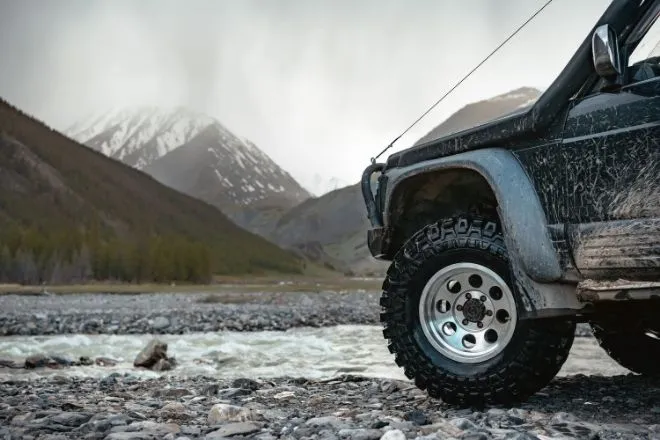
4 signs that your car’s wheels are misaligned

©
Rural Colorado roads can cause a vehicle to develop bad habits. Gravel shoulders, potholes, cattle guards, washboard stretches, and sudden crosswinds all demand more from a car’s suspension and tires than smooth city pavement does. A slight bump outside Eads or a hard hit on a county road may not seem memorable, but your wheels can remember it every mile afterward.
Wheel misalignment happens when the wheels no longer point in the correct direction or sit at the correct angle. The problem can start small, then turn into uneven tire wear, poor handling, and a steering wheel that argues with the driver. Below, we list some of the clearest signs that your car’s wheels are misaligned.
1. Your car pulls to one side
A car should travel straight on a level road when you hold the wheel steady. One of the most common reasons why your car is pulling to one side while driving is misaligned wheels. Wind can shove a vehicle across open plains, and crowned roads can create a slight lean, but a consistent pull on calm pavement points to a mechanical issue.
Drivers should compare the behavior on different roads to avoid blaming one rough stretch. If the pull stays the same, the wheels may need adjustment. A steady pull can also come from tire pressure, brake trouble, or tire damage.
2. Crooked steering wheel
A centered steering wheel should look straight when the vehicle moves straight. If the wheel tilts like it has a mind of its own, it’s likely out of alignment. This sign can appear after hitting a pothole, sliding into a rut, or bumping a curb in a parking lot.
A crooked wheel does more than annoy the driver. It can signal that the tires do not share the workload evenly. Over time, that imbalance can make handling less predictable, especially on loose gravel or during spring mud season.
3. Uneven tire wear
Another sign that your car’s wheels are misaligned comes from the tires. Smooth wear across the tread usually means the tire meets the road properly. Heavy wear on one edge, feathered tread, or one tire aging faster than the others can suggest a misalignment in the wheels.
Rural drivers should inspect tires after long gravel drives, seasonal temperature swings, and trips over rough farm or ranch roads. A quick look at the tread can help you notice trouble before a tire becomes noisy, weak, or expensive to replace.
4. Your steering wheel vibrates
Vibration can come from several problems, but misalignment belongs on the list. If the steering wheel shakes at certain speeds, the tires may not track correctly. The sensation may feel mild at first, then grow stronger as tire wear increases.
Do not ignore new vibration on highways, especially where higher speeds leave less room for correction. A shaking wheel can tire out a driver and make the vehicle feel less settled when passing, braking, or meeting gusty wind.
Conclusion
Wheel alignment does not sound dramatic, but it affects safety, tire life, fuel use, and comfort. When the steering feels strange, the tires wear unevenly, or the car starts drifting like it knows a shortcut, listen to the machine. A timely alignment check can keep the ride smoother, the tires healthier, and the next county road a little less bossy.