Colorado activates Phase 2 drought response as conditions reach historic severity

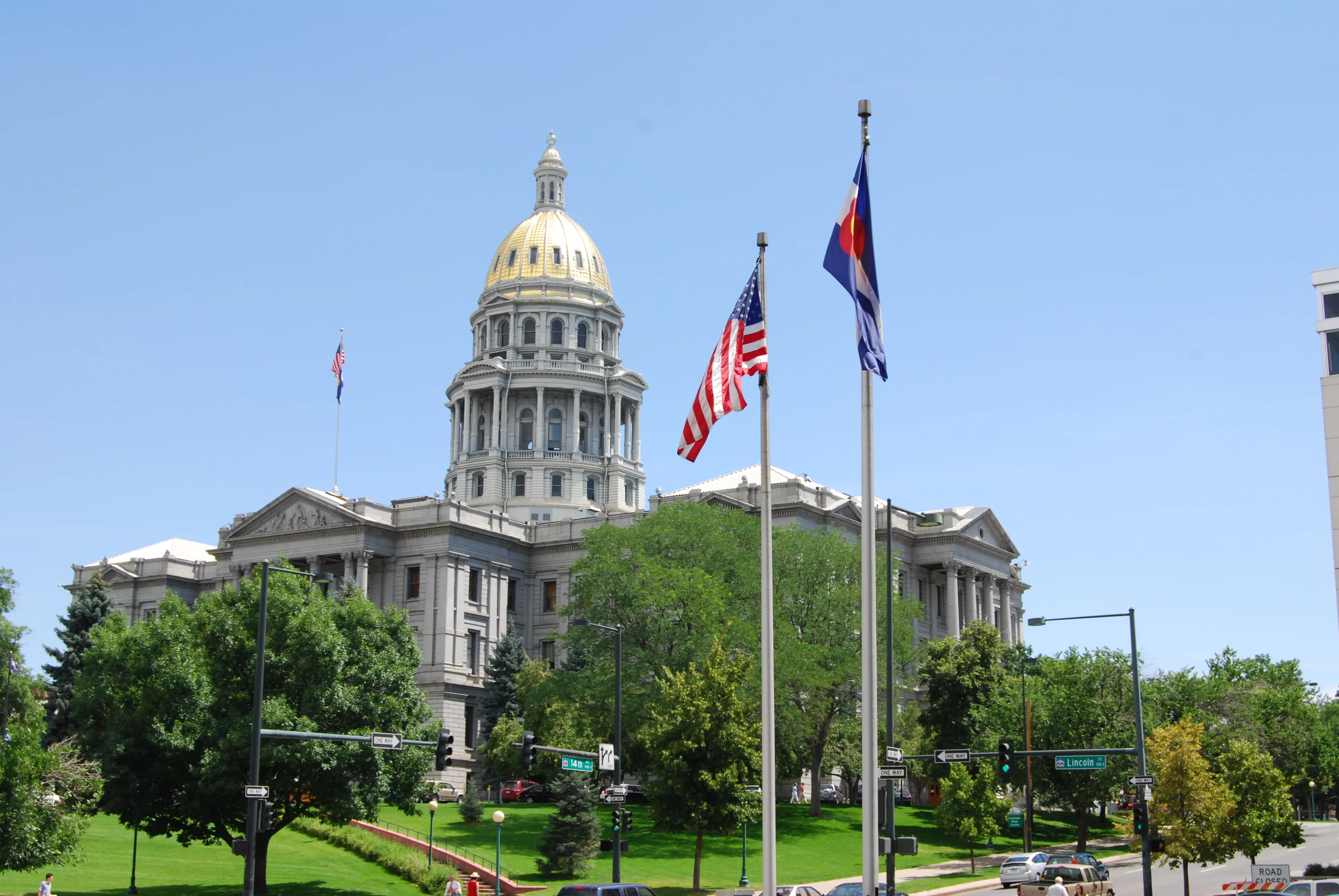
Citing the warmest and one of the driest starts to a year in Colorado's recorded history, Governor Jared Polis has activated Phase 2 of the State Drought Mitigation and Response Plan and convened the Colorado Drought Task Force — the state's most significant drought response action since 2020.
“Colorado is experiencing the warmest year so far in our 131-year record, and one of the driest,” Governor Polis said in a statement accompanying the activation.
The activation, made on the recommendation of the state’s Water Conditions Monitoring Committee (WCMC) and partner agencies, came as drought monitors showed 40 of Colorado’s 64 counties in severe drought or worse. Snowpack across the state has fallen to its lowest levels since 1981, and soil moisture is below normal across much of the state, according to the Colorado Water Conservation Board.
What Phase 2 Means
Colorado’s Drought Mitigation and Response Plan operates in three phases, each representing an escalating level of state involvement. Phase 1 is the monitoring and preliminary response stage, where agencies track drought indicators but no formal coordination is triggered. Phase 2 activates the Drought Task Force and establishes formal interagency coordination. Phase 3 — full activation — includes an official drought declaration and opens the door for requests for federal assistance.

©
The newly activated Drought Task Force brings together senior leadership from the Colorado Department of Natural Resources, the Colorado Department of Agriculture, the Department of Local Affairs, the Division of Homeland Security and Emergency Management, and Colorado Parks and Wildlife. The Task Force will assess statewide conditions, elevate local and regional impacts to state leadership, and convene sector-specific work groups as conditions develop.
Dan Gibbs, Executive Director of the Colorado Department of Natural Resources, said the interagency approach is essential as conditions vary widely across the state. “By coordinating across agencies and with local partners, we can more effectively elevate emerging impacts,” Gibbs said.
Current Conditions
The conditions driving the activation are severe by any historical measure. According to Peter Goble, Assistant State Climatologist at the Colorado Climate Center, the combination of record warmth and persistent dryness since October has pushed the state into territory not seen in decades. “We would only expect conditions to be this bad once every 10 years or even more rare than that,” Goble said. “The short-term outlook is quite grim. There’s no immediate relief on the horizon.”
The Colorado River headwaters region — the high-country encompassing Eagle, Summit, Grand, Pitkin, and neighboring counties — is experiencing exceptional drought, the most severe category on the U.S. Drought Monitor scale. Forecasters expect warm and dry conditions to persist through at least June, making a meaningful snowpack recovery before the spring runoff window increasingly unlikely.
Impacts Across Sectors
The effects of the drought are already being felt across multiple sectors. Several municipalities, including Thornton and Durango, have implemented water restrictions in response to declining reservoir levels and reduced streamflow projections. Agricultural producers across the state face a difficult spring planting season, with soil moisture deficits that will require significantly above-normal precipitation to offset.
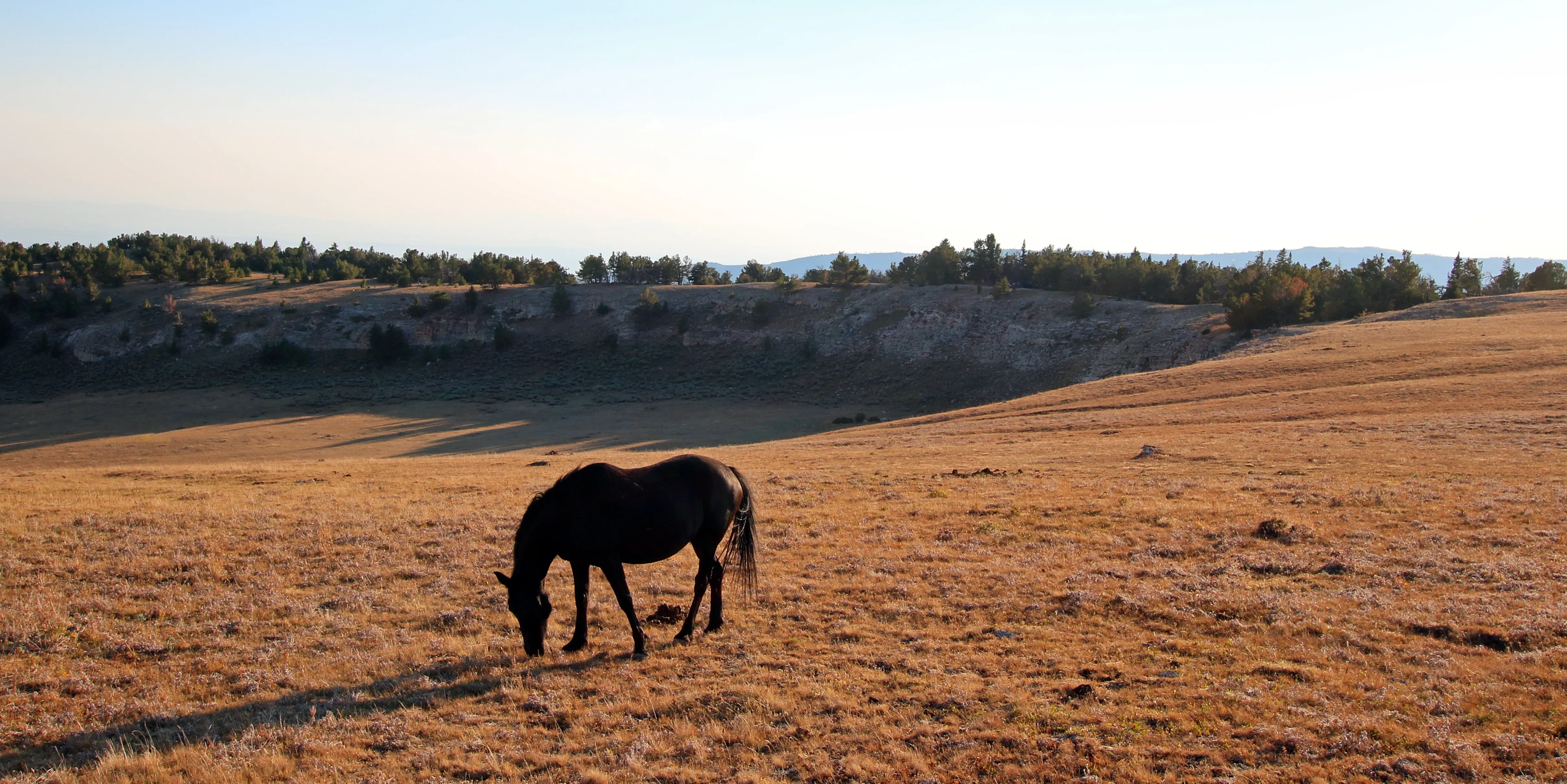
Wildfire risk is also elevated. The combination of record warmth, low snowpack, and dry soils creates conditions for an early and potentially severe fire season. The Division of Homeland Security and Emergency Management, one of the agencies represented on the Drought Task Force, will play a key role in coordinating preparedness efforts as the season progresses. Ranchers on the eastern plains are keeping a close eye on range and pasture conditions, with soil moisture deficits limiting early-season grass growth.
What Comes Next
The Water Conditions Monitoring Committee will continue tracking a suite of drought indicators — snowpack, precipitation, temperature, streamflow, soil moisture, and reservoir storage — and will provide updated recommendations to the Governor as conditions evolve. If drought conditions worsen materially, the state could move to Phase 3, which would trigger a formal drought declaration and potentially enable requests for federal drought assistance programs.
The last time Colorado reached Phase 3 was in November 2020, following a Phase 2 activation in June of that year — a trajectory that mirrors the current situation. Forecasters note that an active summer monsoon season could provide meaningful relief and potentially prevent escalation to a full declaration, though they caution that seasonal outlooks remain uncertain. The CWCB drought assistance page provides resources for water providers, agricultural operators, and municipalities navigating the current conditions.