Four tax initiatives land on Colorado's November 3 ballot

© Svanblar iStock-146069215
Coloradans on November 3 will vote on four initiatives concerning tax increases or changes in the state’s income tax structure.
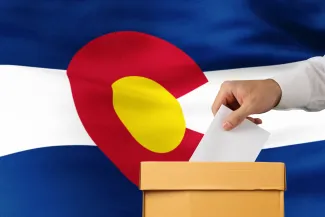
Colorado has continued to rank high in polls measuring voter turnout and participation, with the most recent election poll coming from the Massachusetts Institute for Technology. The poll found the state had a 73% voter turnout, with almost 93% voter registration for the 2024 election.
© iStock / Iskandar Zulkarnaen (2232370432)
This November, another big turnout is expected, and voters will decide whether to approve 15 ballot initiatives, with seven of them being proposed amendments to the Colorado constitution and four of them directly affecting taxpayers. Three of those tax initiatives are discussed in this story. The fourth one - Proposition NN, affecting Colorado's Taxpayer Bill of Rights and allowing the state to keep surpluses in its budget for education - will be examined in another story by The Center Square on Friday.
Graduated income tax proposal
Voters will consider Amendment 87, which will increase state income tax revenues by $2.7 billion annually.
Right now, the state has a flat individual tax income rate of 4.4%. The proposal would change that to a graduated income tax, meaning people with higher amounts of taxable income would pay more in taxes on their income. Lower-income taxpayers would pay less.
The graduated tax income structure is currently used in 27 other states and the District of Columbia. Colorado’s average income is around $95,000 a year, which means individuals making around that amount would pay roughly $210 less in taxes annually.

© iStock - Ligorko
There are eight income categories in the proposed amendment. Among the 27 other states with a graduated income tax rate, three of them only have two categories – with some states, such as Hawaii, having as many as 12.
To pass on November 3, the Colorado amendment would need at least 55% of the votes.
Income tax rate cap proposal
Another ballot measure is Proposition 136, which would change the Colorado Revised Statutes to cap the state income tax rate at 4.4% of federal taxable income for individuals and corporations.
The main effect of this proposition is that it would limit the state from proposing a higher income tax rate above that level in the future. Supporters argue it would give individuals and businesses greater certainty about the maximum state income tax rate they could face.
In general, proponents argue it could limit future tax increases – and would restrict the Legislature’s ability to raise the tax over the 4.4%.
However, opponents push back on this bill for the very same reason – that it would restrict the Legislature from the ability to raise the state income tax rate, which they argue prohibits the Legislature from addressing taxpayer problems accordingly.
Since it would restrict the Legislature’s flexibility to increase the state income tax rate in times of economic crisis and uncertainty, opponents generally object to its stringent application.
Water and land conservation proposal
Proposition 137, titled “Designate Sporting Goods Sales Tax Revenue for Conservation,” would change the Colorado statutory code to increase water and land funding by using sports goods sales tax to fund these projects.
The specific revenue change would have to be voter-approved. And, if approved, it would allow the state to keep and spend a portion of the state’s revenue from taxes paid on sporting goods to be used to conserve and protect Colorado’s water, land, forests and prevent wildfires.
Supporters of the initiative also intend to use some of the revenue to support outdoor sports recreation training and activities.
© iStock - Molina86
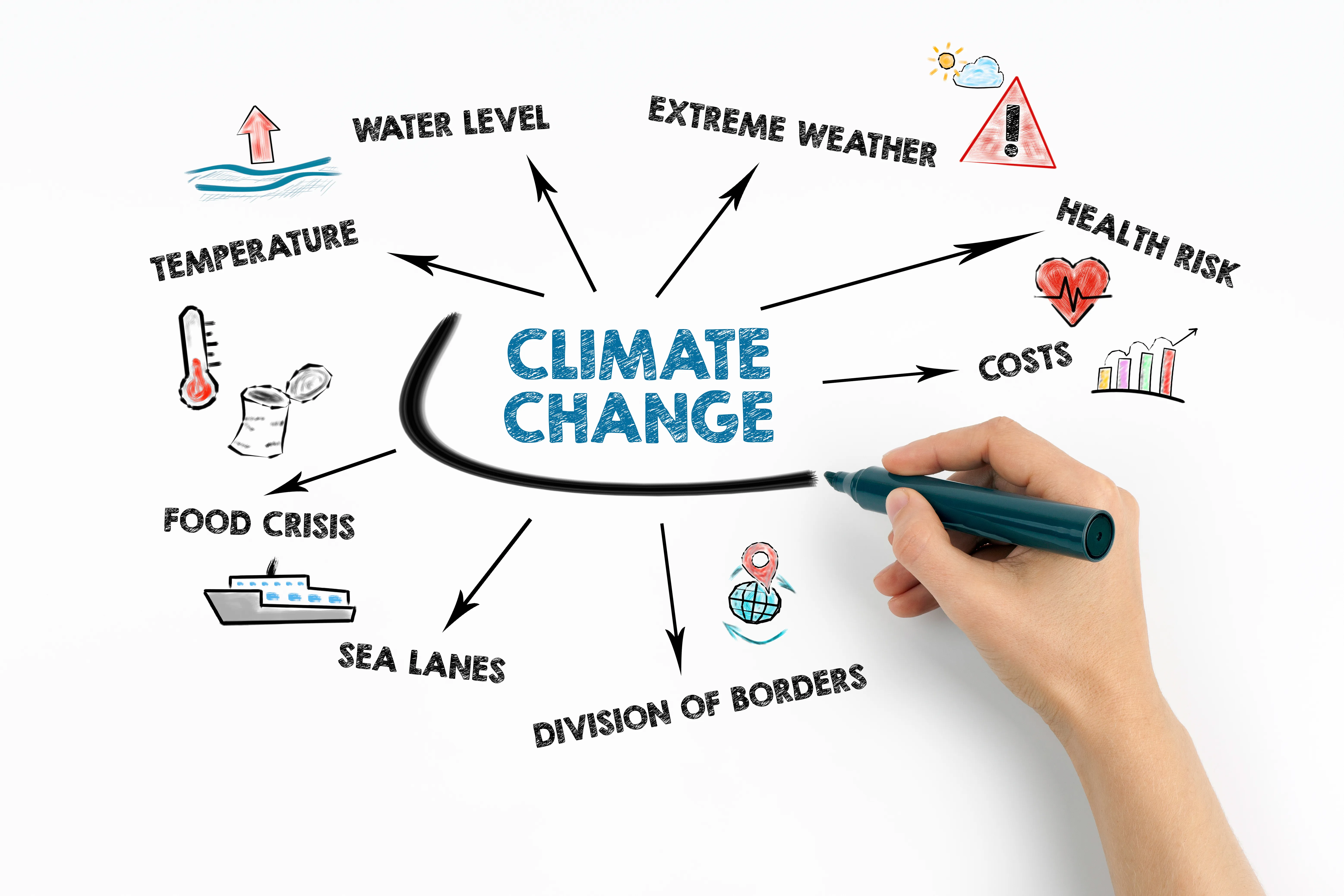
The main group supporting this initiative is called Protect Colorado’s Land and Water, Prevent Wildfires. Curtis Hubbard, the campaign’s communication spokesperson, told The Center Square that “deepening droughts, record high temperatures and severe wildfire risks are growing problems that are simply outpacing Colorado’s ability to keep up.”
Hubbard also explained how the state would accrue and spend this money. Generally, when the state’s revenue exceeds the allowed amount from the constitutional Taxpayer Bill of Rights cap, the state usually refunds the money. However, if this proposition is passed, it would save a portion of TABOR's excess revenue and allocate it toward environmental conservation in the state, he said.
The proposal would specifically allow the state to keep and spend a portion of existing sales-tax revenue from sporting goods and equipment. Hubbard said the organization believes that revenue source is “a perfect match” because “people buying outdoor gear — including tourists — are the ones actively enjoying Colorado's trails, rivers, and natural spaces.”
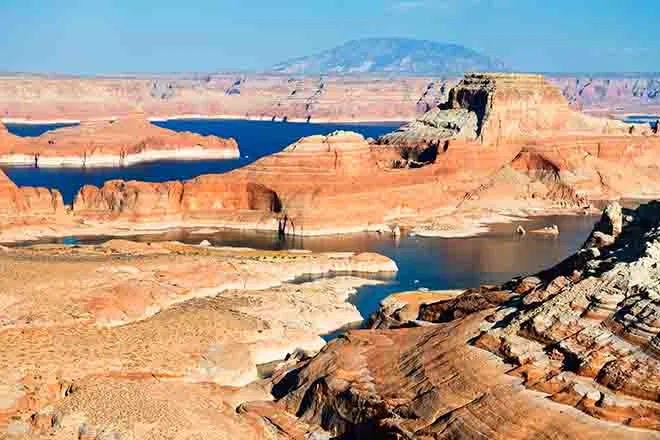
The group estimates the revenue investments will be roughly $175 million annually and will fund projects intended to protect watershed projects, specifically those designed to safeguard the drinking water, create new state parks and trails to enhance outdoor recreation infrastructure, and improve outdoor access for Colorado youth and families.