Immunities for pesticide manufacturers from new Farm Bill.

© iStock - Pashalgnatov
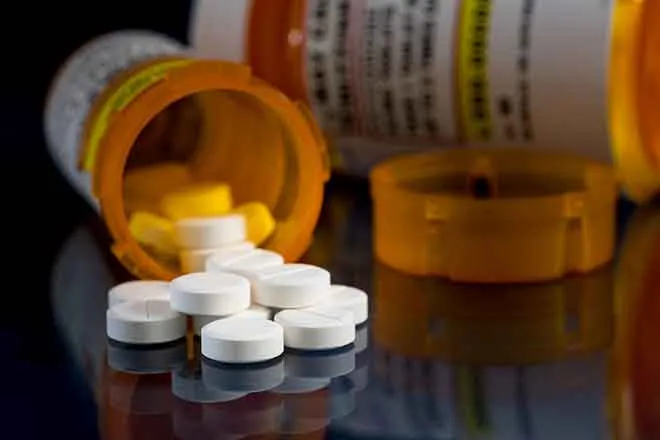
Public health advocates are breathing a sigh of relief after more than 70 Republicans voted alongside all but six Democrats to strip legal immunities for pesticide makers from the new Farm Bill, which just cleared the U.S. House.
The provision would have shielded pesticide manufacturers from health-related lawsuits.
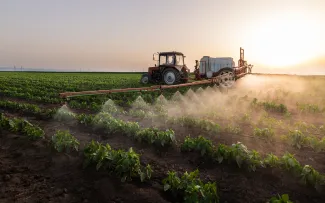
Jennifer Breon, senior organizer for the advocacy group Food and Water Watch, said industrial agriculture’s pesticide addiction is poisoning people in Wyoming and across the nation.
© fotokostic - iStock-1324890919
"Folks certainly don't want to see huge corporations having immunity from any kind of lawsuit that might provide justice to cancer victims," Breon explained.
A recent study found pesticide residue is likely behind increased rates of lung cancer in nonsmokers under age 50 who ate an otherwise healthy diet rich in fruits, vegetables and whole grains. The new Farm Bill comes on the heels of recent Supreme Court oral arguments in Monsanto Company v. Durnell, which is expected to determine if a company can be held liable for failing to warn consumers about cancer risks linked to the weed killer Roundup.
The new Farm Bill does not restore cuts to the Supplemental Nutrition Assistance Program included in the Republican’s signature “One Big Beautiful Bill Act.” Breon argued the rest of the measure looks like it was written by Big Ag lobbyists.
"For example, they cut nearly a billion dollars from conservation funding," Breon observed. "That would go a long way for farmers who are trying to implement conservation practices and do the right thing to improve our water quality."
The Senate has yet to release its version of the Farm Bill. The House version still includes the Save Our Bacon Act, largely designed to override state laws setting animal welfare standards. Breon called the provision a giveaway to factory farms and warned it could shrink markets for independent farmers.
"Smaller producers who want to farm sustainably, they are not going to be able to compete with a huge corporate hog industry that is in a race to the bottom," Breon contended.