Montana Fish, Wildlife and Parks euthanizes 14 black bears after finding them ‘extremely food conditioned’

Montana Fish, Wildlife and Parks game wardens captured and euthanized 14 black bears near Bozeman after investigators found animals that were “extremely food conditioned” and unafraid of people at a property north of the city, the agency said Tuesday in a news release.
FWP said wardens and staff responded to a report of “supplemental feeding” of wild black bears on the property. On September 24 and 25, investigators found bears there that were used to getting fed and being around people.
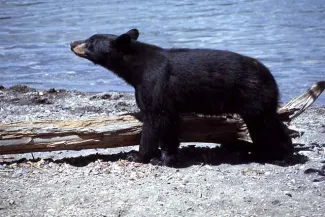
Black bear. Courtesy National Park Service
FWP said it euthanized the bears due to safety concerns. It also took one cub to FWP’s Montana WILD facility in Helena for possible placement in a zoo.
The investigation into why the bears were on the property is ongoing, the agency said.
FWP region spokesperson Morgan Jacobsen said he could not confirm whether the agency had one or multiple suspects under investigation.
He said he doesn’t know of any other case where FWP has had to kill as many bears, although he didn’t have a historical record immediately available.
“But 14 bears at one property is not normal,” Jacobsen said.
State law prohibits providing supplemental feed to game animals, including bears, FWP said, citing Montana law.
“These bears were unafraid of humans and stopped relying on natural foods, which created a human safety risk. It’s very unfortunate they had to be euthanized,” said game warden Capt. Josh Leonard in a statement.
A person convicted of a violation may be fined as much as $1,000 or imprisoned for as much as six months, or both, state statute says. It also says the person may have to forfeit any hunting, fishing or trapping license for a period of time set by the court.
“When bears become accustomed to finding or receiving food from urban and residential areas, they lose the desire and ability to forage in natural, healthy ways,” the department said in the news release. “This behavior cannot be corrected through rehabilitation or relocation.”
The result puts humans at risk from bears that start looking for food near or inside homes, the news release said.
“Zoo placement is a very limited option that’s not always possible,” FWP said.
The agency said euthanizing the animals is a last resort.
FWP directed people to educational information, resources and events on bear safety on its website.
It said people can help prevent conflicts with bears by not feeding them, and by keeping garbage, bird feeders, pet food and other attractants secured.
The department also advised people to report bears attempting to access garbage or other food sources near homes to the agency as soon as possible. That way, FWP can undertake “corrective management” before problematic bear behavior becomes a habit.