Bear killings skyrocket as garbage, birdfeeders draw them into conflict

Bears are having a very bad year.
Across much of the United States, a warm winter and persistent drought have decimated the natural foods that black and brown bears rely on. With nearly every station at the buffet in short supply, the adaptable eaters are turning to human food.
From California to Connecticut, desperate bears have raided garbage cans, broken into homes and cars, torn through chicken coops and pulled down birdfeeders. Wildlife officers in many states have received a record number of calls, working overtime through the summer to deter bears, put out traps and euthanize animals who pose persistent problems.

Colorado Parks and Wildlife
Montana wildlife officials have also euthanized 14 black bears this fall after finding them extremely food conditioned, a sign of how deep the food shortage runs across the Mountain West.
“I’ve had officers who have had to work three weeks in a row, working 18-hour days, day after day,” said John Livingston, public information officer with Colorado Parks and Wildlife. “We have been worried about the mental health of some of our officers who are dealing with these issues. Some of them are having to euthanize a lot of bears this year. Nobody gets into this line of work because they want to put down animals.”
In a typical year, Livingston said, Colorado will euthanize 60 to 90 bears that run afoul of the agency’s two-strike policy for bears that have caused property incidents and are deemed to pose a threat to communities. By the end of August this year, wildlife officers had already euthanized 294 bears. Many states are seeing similar increases.
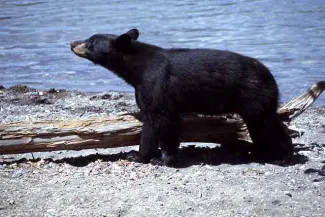
Black bear. Courtesy National Park Service
State wildlife agencies say their officers are spread thin and have had to prioritize which human-bear conflicts to respond to. They have mostly focused on educating residents and removing attractants such as birdfeeders and unsecured garbage cans from populated areas. In some states, lawmakers and wildlife officials have stiffened penalties for humans who feed bears, intentionally or otherwise.
Wildlife experts stress that humans are almost always the guilty party when conflicts arise. Residents fail to secure their garbage, leave barbecue grills unattended and hang birdfeeders in easy reach.
Bears are naturally wary of humans. But when food sources are in short supply, they roam far and wide looking for sustenance. With a powerful sense of smell and massive caloric needs, they’re drawn to easy food sources like dumpsters. Once they’ve learned that human developments can be a source of food, they may climb over backyard fences and barge through screen doors.
Food failures
Across much of the West, a warm, dry winter left the landscape parched this year. Amid the regional drought, warm conditions in many Rocky Mountain states caused the spring “greenup” to happen weeks earlier than normal — before most bears had emerged from their dens.
After missing out on that critical early nutrition, bears were dealt a second blow when a late frost wiped out the wild berries in several Mountain West states.
“It’s an exceptionally bad food year, and it’s pretty widespread,” said Chris Servheen, a former grizzly specialist with the U.S. Fish and Wildlife Service who now serves as co-chair of the North American Bears Expert Team with the Bear Specialist Group, a volunteer conservation organization. “They’re trying to find food and put on weight and they can’t. They’re spending time traveling looking for food, and they’re encountering people more frequently.”

© flickrcc - USGS
While a handful of bear incidents have involved scratches or bites, wildlife experts said bears are not any more aggressive toward humans this year. Only a small fraction of encounters result in a physical conflict. Brown bears, also known as grizzlies, can pose a danger to humans. But black bears, which populate much more of the country, have killed humans only on extremely rare occasions — including one fatal attack in New Mexico this year.
On average, bears of all types kill less than one person per year across the entirety of North America.
Livingston, the Colorado official, said that wildlife officers spotted four tagged bears this year in the city of Durango. Those bears had been tagged in a study more than a decade ago and hadn’t been seen since, thriving deep in the backcountry.
“In a year like this, they’ve been driven back toward town,” he said. “When you’ve got these big, mature 18- to 20-year-old bears that are having to come into town and resort to that kind of food, it shows us how intense the food failure has been.”
New Mexico is facing a similar crisis, Source New Mexico reported. New Mexico wildlife managers have killed more black bears this year than any full year on record. Game officers or residents reported killing 307 bears that posed threats to public safety since April.
While Eastern states have not been hit with the same drought conditions, many are still seeing increased conflicts, a result of growing bear populations and more humans moving into bear habitat. Tennessee has euthanized 61 bears so far this year, up from an average of 20 over the previous five years.
In many places, valley bottoms offer reliable foraging when food sources at higher elevations are scant. But valley bottoms also have the highest concentration of human settlements.
“In a year like this where (bears) are all down in the low elevations where we are, it’s inevitable they’re going to stumble into the millions of garbage cans on the landscape,” said Jamie Jonkel, bear conflict specialist with Montana Fish, Wildlife & Parks. “Starting in June, we were seeing desperation in our (bear) population, and through July it got quite crazy.”
Montana wildlife officials have taken thousands of citizen reports of human-bear conflicts this year. In a single day, eight bears came into Missoula to forage during the night and spent the daylight hours roosting in trees, waiting for traffic to clear.
In many Western states, wildlife officials say that some sows — especially first-time mothers — have abandoned their cubs, unable to provide for them. That’s created more issues as starving young bears have wandered into neighborhoods, without a mother to guide them away from conflict.
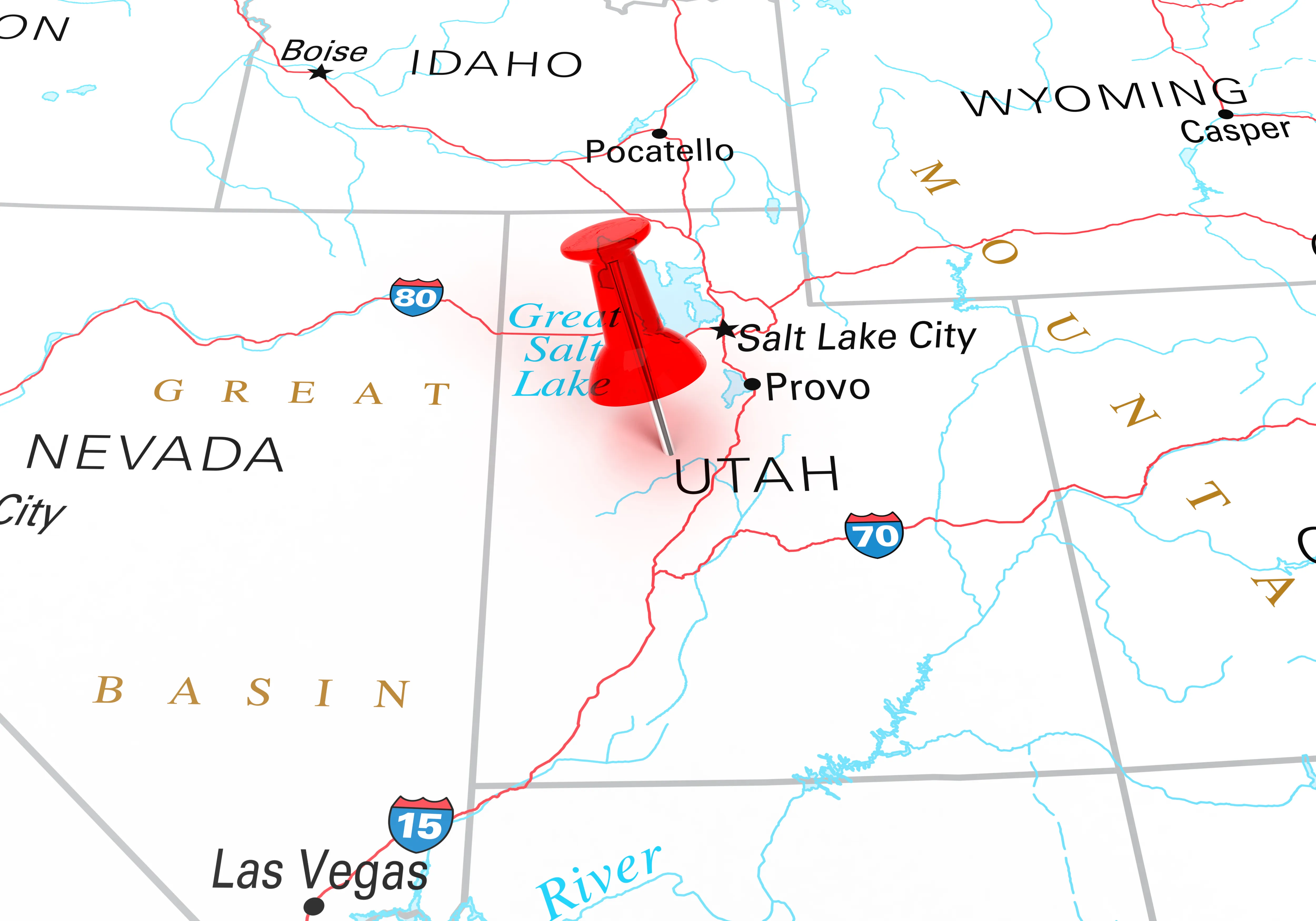
In Utah, which has a smaller bear population than many other Western states, wildlife officers have euthanized 70 bears this year, up from the previous record of 24.
“There just isn’t a heck of a lot for them to eat out on the landscape,” said Chad Wilson, game mammals coordinator with the Utah Division of Wildlife Resources. “Do you humanely euthanize the bear, or do you put it in a spot where it’s going to most likely starve to death or get in trouble with people again?”
In some cases, wildlife officers will trap and relocate bears. But officials in several states said that is often ineffective, as bears will return to populated areas once they’ve become habituated to human food.
California has also seen an uptick in bear-related conflicts, said Alex Heeren, research scientist with the California Department of Fish and Wildlife. Roughly half of the reported incidents in which bears caused property damage involved chicken coops, he said, which seems to be a “gateway” for increased conflict.
States respond
Wildlife officials in many states say their officers are spread thin and are eager for bears to go into their winter torpor — a period of dormancy that is not true hibernation.
For the most part, officials have focused their efforts on educating residents and removing attractants and food sources that could bring bears into developed areas. Nate Bowersock, black bear and furbearer biologist with the Missouri Department of Conservation, said that some officers advise the use of electric fences and paintball guns to deter bears from residential areas.
Bowersock serves as national chairman of BearWise®, an education program of the Association of Fish and Wildlife Agencies.
Jonkel, with the Montana wildlife agency, said staff there are “strung out and overwhelmed,” while residents grow impatient when officers are too busy to respond to their bear incident immediately.
“The bears show us where the problems are,” he said. “They introduce us to the people that have chronic attractant issues. We’ll have a group of 10 houses and everyone’s doing everything right. Then one new person will move in and in the course of one summer retrain all of the local bears to start visiting their house, and then next thing you know all heck’s broken loose.”
Some states are starting to take a firmer approach. Colorado legislators passed a law this session to enact stricter penalties for residents who leave out food that bears can access. It expands the statute to cover those who “knowingly” feed bears; the law previously addressed only “intentional” feeding. The law also increases the fines for such behavior, with a maximum of $5,000, and removes a requirement that first-time offenders receive only a warning.
In North Carolina, the state Wildlife Resources Commission passed an emergency rule earlier this month to prohibit intentional and negligent feeding of bears in Buncombe County — where a large percentage of recent bear-related incidents have occurred. While such behavior is already banned under city and county ordinances, the state rule makes it a criminal, rather than civil, offense, and creates jurisdiction for state wildlife officers to conduct enforcement.
According to the agency, the state has had 115 incidents where bears forced their way into buildings since 2023. Seventy-four of those have occurred in the past five months.
Wildlife managers say stricter enforcement may help in some cases, but with so many people moving into bear habitat, they expect conflicts to continue. At the same time, climate change is making conditions hotter and drier across much of the country, causing droughts and intensifying wildfires. Such changes could increase the frequency of lean food years for bears.
“The main takeaway is that nobody’s figured out what the perfect answer is,” said Livingston, with Colorado Parks and Wildlife. “Bears are really good at exposing where we’re weak.”