North Dakota oil technology could aid geothermal energy development

© StevanZZ - iStock-2243756830
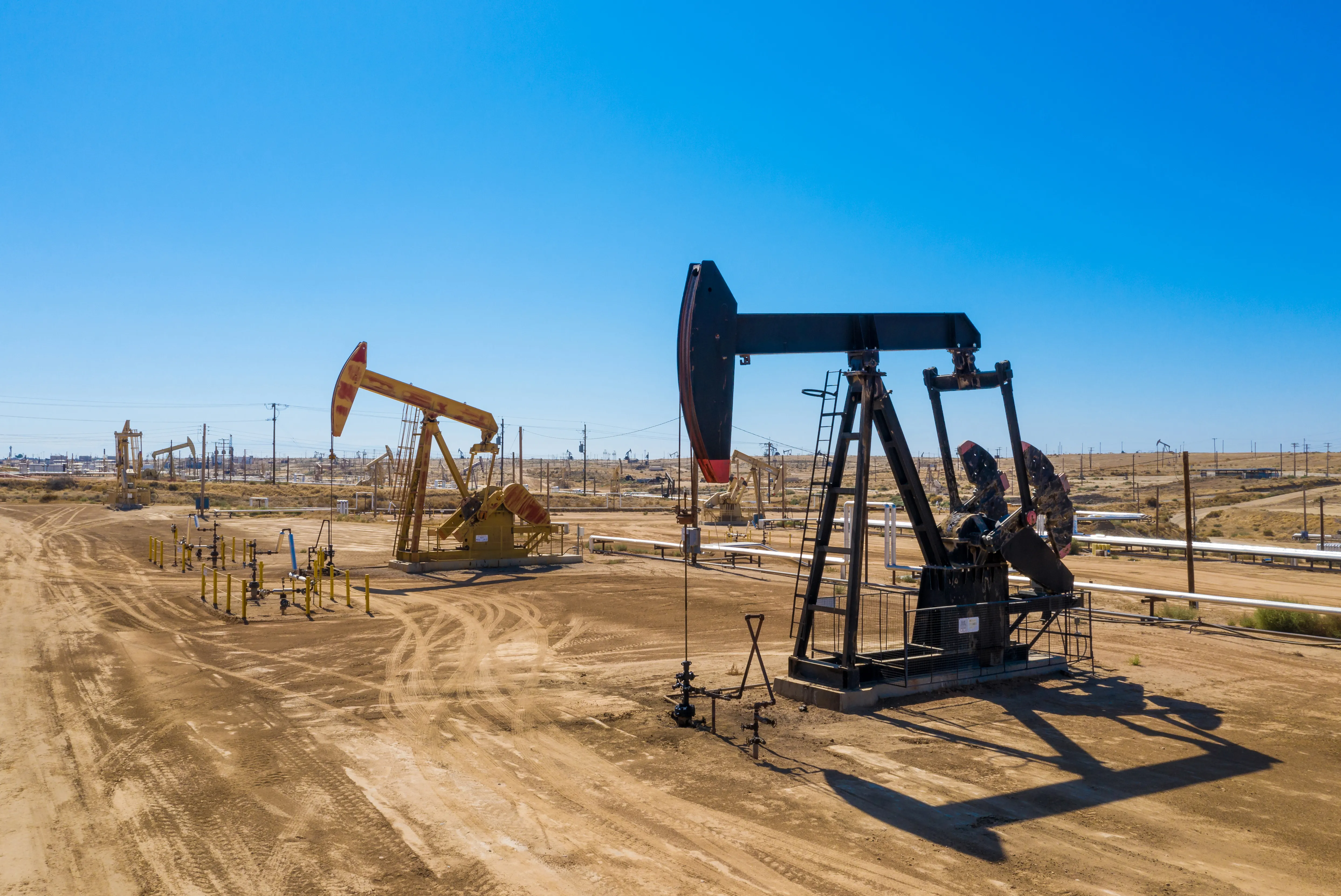
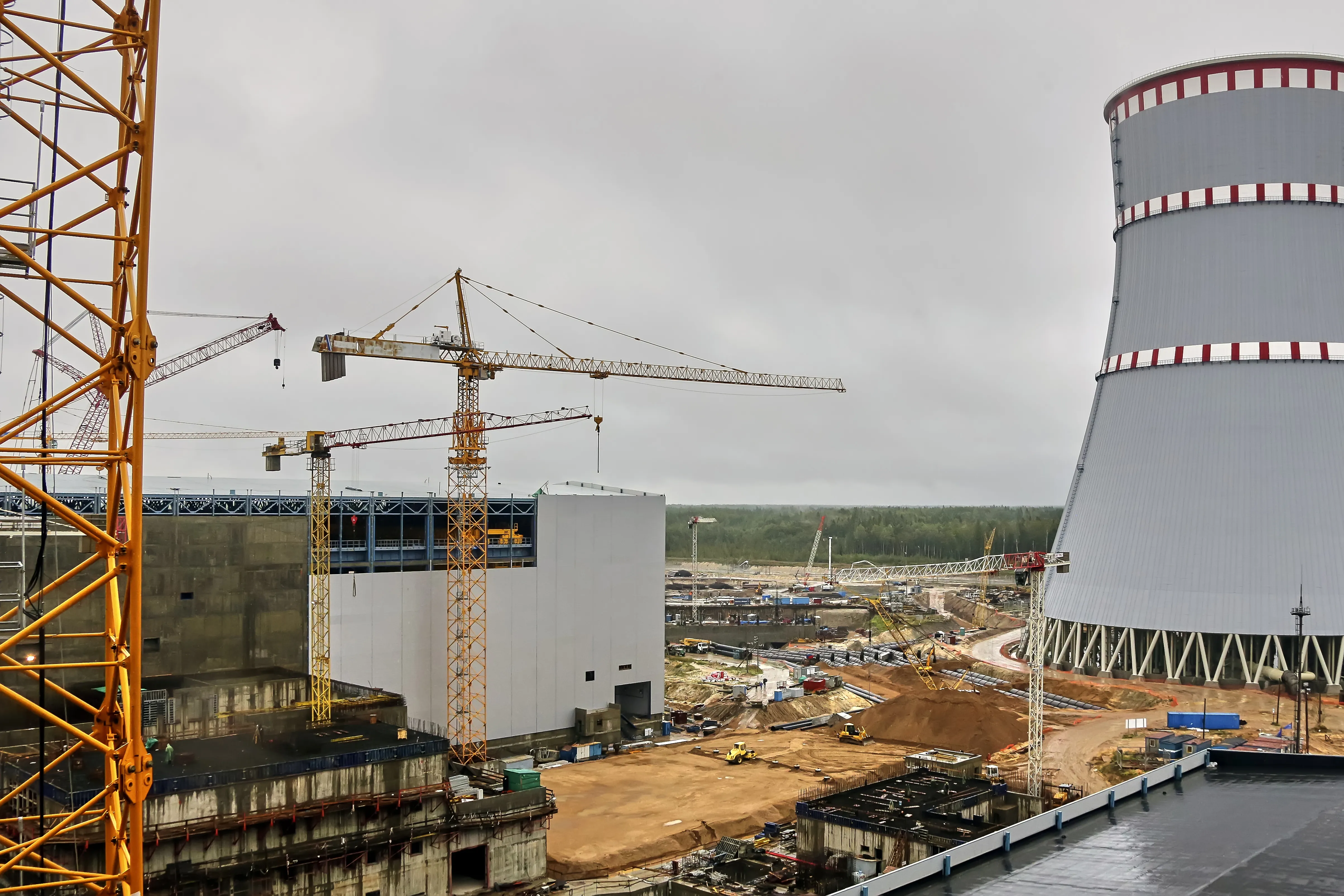
North Dakota researchers believe fracking technology could be the key to introducing geothermal energy to the state’s electrical grid, but cautioned there are still many unknowns about its feasibility.
One of those unknowns is whether new geothermal technologies under development will prove to be cost-effective enough in North Dakota’s underground rock formations, according to a report presented last week by the Energy and Environmental Research Center.
“There’s a lot more work to be done on feasibility for power generation potential,” said Tyler Hamman, assistant vice president for strategic partnerships with the EERC, during a presentation to the North Dakota Industrial Commission.
Geothermal energy is produced by drilling underground to rock formations with natural heat. That heat can be extracted using various technologies, typically by extracting water from adjacent reservoirs or fluids that have been injected, and used to produce energy on the surface.
“It’s actually surprising how much of this there is,” said Attorney General Drew Wrigley, one of three members of the Industrial Commission.
There are new technologies under development that could make commercial geothermal energy for widespread power generation in North Dakota a reality. Some of these are being tested in western states like Utah.
While the underground temperatures in western North Dakota may be hot enough for these new geothermal technologies, Hamman said the tightness of the rock formations could pose a challenge if water can’t efficiently pass through to absorb the heat.
The solution may lie with the technologies, workforce and expertise used in North Dakota by the oil and gas industry, Hamman said. The rock formations can be fractured, or fracked, to create enough permeability for water to pass through and absorb the heat before being brought to the surface.
“It’s something that was previously cost-prohibitive, though with advancements in oil and gas technology, and obviously fracking, it’s brought that cost curve down to the point where it’s being looked at as a way to expand our geothermal resource,” Hamman said. “Where we’re at in terms of enhanced geothermal is really where we were at the start of the shale revolution, in terms of trying to prove out the technology.”
He suggested several policy recommendations to encourage further development of geothermal energy in North Dakota. These include refining the regulatory framework governing the energy source, studying rock samples in the state’s core library for thermal conductivity and other characteristics, as well as drilling exploratory wells to obtain samples of rock formations that are even deeper underground.
Ultimately a pilot project using realistic operating conditions would help to gather data on what the costs and efficiency of geothermal for power generation might be, Hamman said.
Another finding of the study has been the reuse of unproductive oil wells that have already been drilled does not offer a significant financial benefit.
“By the time you reenter that well, drill it deeper into the interior geothermal heat source, your cost savings are pretty minimal, “ Hamman said.