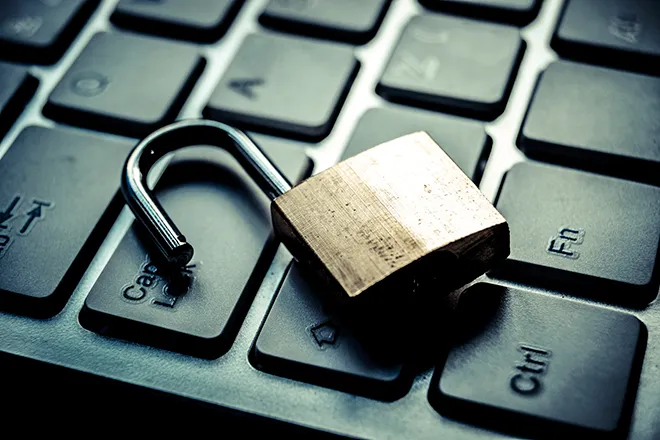
Tips for outsmarting scammers this holiday season

Click play to listen to this article.
Nearly nine in 10 adults in Colorado and across the U.S. report being targeted by scammers, according to a new AARP survey, and experts are warning people to stay vigilant during the holiday season.
Mark Fetterhoff, program manager for AARP ElderWatch Colorado, said it can be hard to resist answering the phone when you are expecting a call from a doctor or pharmacy. He added if you do answer and someone asks you to verify a login and password, or asks for any personal or financial information, hang up.

© iStock - Wavebreakmedia
"It’s really important that we’re being super cautious, especially for these numbers that are coming through that we’re not familiar with," Fetterhoff stressed. "People can portray themselves as anyone. If you’re not sure about who it is, I think the best thing you can do is disengage."
In 2023, Coloradans reported more than 800 imposter scams to the state’s Attorney General’s office but the actual total is likely much higher because victims frequently blame themselves and do not report being scammed. If anyone contacts you claiming to be with the IRS, Social Security, Medicare, the state, a local government or even law enforcement, be skeptical. Government officials will never call, email, or text to ask for money or personal information.
Fetterhoff noted criminals are also getting better at using peer-to-peer payment apps like Venmo and Zelle to separate people from their money. He pointed out text messages can be especially deceptive during the holiday season. If you are concerned about a gift arriving on time, check the tracking number provided by most delivery services. Be wary anytime you get a message telling you a package is undeliverable.
"They’re trying to find out what numbers are live and they’re trying to find nice people who they can build a rapport with and then eventually ask for money," Fetterhoff explained. "I think it’s really critical that people are very judicious about how they’re managing their text messages, because we know that scammers are using text messages more than ever to try and contact their victims."
Seven in 10 consumers are expected to give gift cards this year but those cards frequently arrive with zero balances. Fetterhoff said it is because many gift cards conveniently on display at retail outlets have been targeted by scammers who record the card’s number and security code or PIN. As soon as you buy the card, the funds can be siphoned into scammer accounts.
More tips for outsmarting scammers are available online at AARP.org/FraudWatch.