How to handle rocky soil on your farmland

©
Getting a field into shape gets tricky when rocks pop up in every pass. Blades wear faster, equipment rides rough, and planting never feels straightforward. Questions around how to handle rocky soil on your farm land usually start when you’re tired of fighting the same patches every season. With a few practical changes and some patience, those rough acres can start to feel more workable, with better roots, better moisture, and less drama during the busy times of the year.
Use a rock lift to remove large stones
Agriculture is one of several industries that benefits from the use of rock lifts. Rock lifts are heavy-duty lifting attachments that clamp onto irregular stone or boulder surfaces securely. You can use them to move or remove large embedded rocks without tearing up as much soil. This kind of tool clears problem areas faster than hand work and helps create smoother, safer ground for equipment, livestock, and future planting.
Break up compacted layers with deep tillage
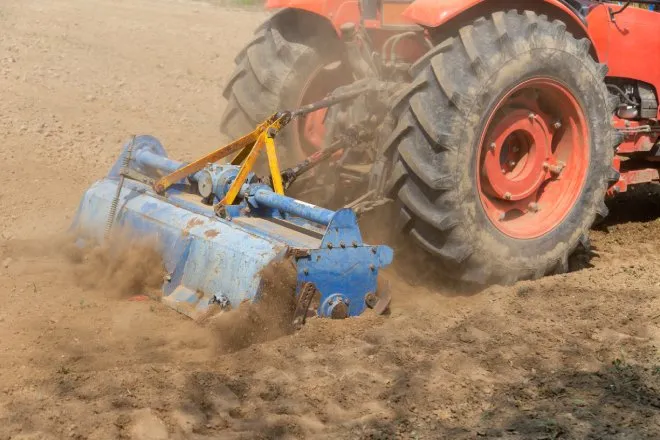
Rocky fields often hide a compacted layer under the surface that keeps roots from spreading and water from soaking in. Deep tillage with a chisel plow or subsoiler helps break up that layer so the soil loosens and breathes a bit. This makes it easier for crops to reach nutrients and for rain to move through the profile instead of pooling on top. Farmers usually schedule this work when the soil is dry enough to fracture but not so dry that it turns to dust.
Add organic matter to improve soil structure
Rocky soil feels rough and shallow, but organic matter helps it act more like a stable growing base. Compost, aged manure, or cover crop residue fill in gaps between stones and bind loose particles into crumbly aggregates. Over time, this boosts water holding capacity and gives roots more contact with nutrients instead of bare rock. Regular applications across a few seasons gradually shift a field from harsh and patchy to more consistent, productive ground.
Plant deep-rooted cover crops for long-term improvement
Deep-rooted cover crops help rocky soil slowly turn into a better growing environment. Species like tillage radish, rye, or clover push roots between stones, open channels for water, and leave organic material behind as they break down. Those old root paths create natural tunnels for future crops and give earthworms more places to move. With a steady cover crop rotation over several seasons, rocky fields start to hold moisture better and support stronger, healthier plants.
Use raised beds in the rockiest zones
Some parts of a field stay rough no matter how many rocks you pull. Those spots work better as raised beds than as standard rows. Framing beds with lumber or blocks lets you bring in a custom soil mix that sits above the worst of the stones. Roots get deeper, cleaner space to grow while the rock layer stays undisturbed underneath. This setup suits high-value vegetables or test plots and helps you get more production from land that usually feels wasted.
Keeping rocky fields productive over time
When you treat handling rocky soil on your farmland as an ongoing project, the ground starts to work with you more often than it works against you. A steady mix of rock removal, soil improvement, and smart planting choices slowly shifts those fields toward better structure and stronger yields. Each season adds a layer of progress, even if some rocks always stick around.