Why rural roadsides keep growing back too fast

©
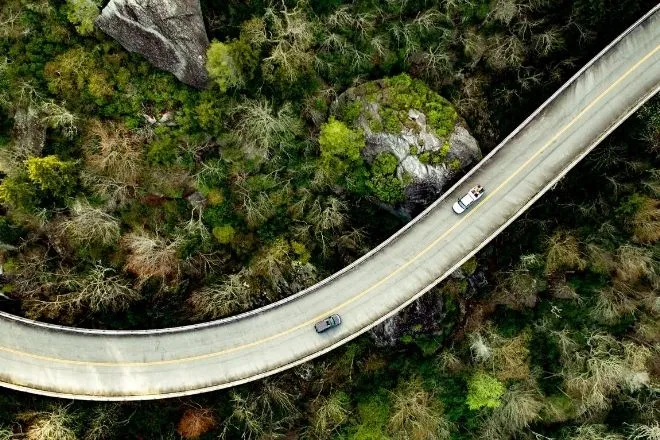
Sometimes you start asking why rural roadsides keep growing back too fast when the same ditch looks clean one week and overgrown again before the next county meeting. Rural Colorado roads are constantly under pressure from aggressive weeds.
In addition, long stretches of open ground give vegetation plenty of space to spread. As a result, roadside plants often return quickly after crews mow or reshape the edge. For Kiowa County residents, this issue affects visibility and drainage.
Weather pushes growth in spurts
At first glance, rural roadsides may appear stable. However, a single rainfall can dramatically change conditions. In southeast Colorado, extended dry periods slow plant growth. Once moisture arrives, weeds and grasses can respond almost immediately. Meanwhile, road shoulders tend to collect runoff from surrounding areas.
As a result, roadside vegetation often receives more water than nearby pastureland. Combined with abundant sunlight and exposed soil, these conditions allow plants to establish quickly before maintenance crews can return.
Mowing alone rarely solves the problem
Mowing remains an important tool for maintaining visibility along rural roads. It helps keep vegetation away from traffic signs and improves sightlines near intersections. Even so, mowing addresses only the visible portion of many plants. The root systems remain active underground and continue supporting new growth.
In some cases, weeds grow back even thicker than before. This is especially common when mowing occurs at an unfavorable stage of plant development. Therefore, road departments often need a broader strategy that includes proper timing and targeted treatments.
Water flow feeds the same problem areas
Certain roadside sections consistently experience faster vegetation growth because they receive a steady supply of moisture. Often, the underlying cause is a drainage issue. A clogged culvert can trap water. Likewise, a shallow ditch may prevent proper runoff.
Over time, these wet areas accumulate sediment and organic debris. They also capture seeds that encourage additional growth. When maintenance crews investigate recurring trouble spots, they frequently discover drainage problems at the root of the issue.
Smarter planning saves time later
Roadside maintenance becomes less effective when every mile receives the same treatment. Different areas often require different solutions based on local conditions. One stretch may benefit from routine mowing, while another may need focused weed management.
Local teams looking for ways to make your vegetation program more efficient often begin by identifying recurring problem areas. From there, they can match maintenance efforts to each location's specific needs. This targeted approach helps crews focus resources on areas where vegetation has the greatest impact on road users and nearby properties.
A practical roadside routine helps
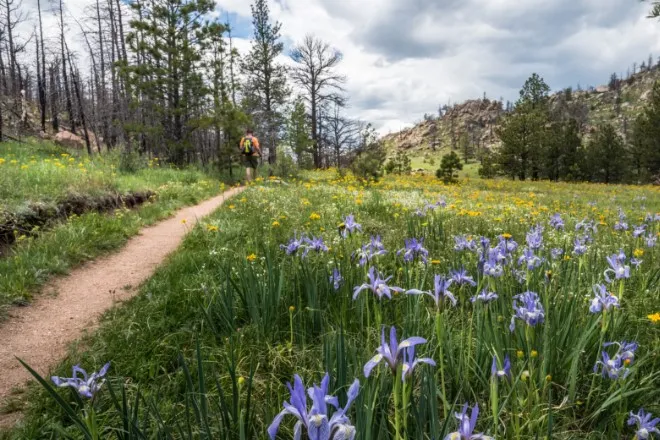
Roadsides naturally support vegetation, and complete removal is rarely the goal. In fact, healthy low-growing plants provide important benefits. They help stabilize soil and reduce erosion. Instead of trying to eliminate all growth, communities benefit more from strategically managing vegetation.
Understanding why rural roadsides keep growing back too fast can lead to more practical solutions. Through better timing and consistent local monitoring, rural communities can maintain safer roads while making the most of their maintenance efforts.